
Complete Guide to Conscious Connected Breathwork (CCB)
A simple, profoundly powerful practice to help regulate your nervous system, release stored emotion, and safely explore altered states of consciousness.
Quick Links
- What is Conscious Connected Breathwork?
- How Do You Want to Explore CCB?
- The Science of Conscious Connected Breathwork
- The Mystery of the Breath
- The Benefits of Conscious Connected Breathing
- How is CCB Different from Other Techniques?
- Safety First: Is CCB Right for You?
- Try a 3-Minute Guided Practice
- The Origins of Conscious Connected Breathwork
- Frequently Asked Questions
- Other Ways to Experience Breathwork
What is Conscious Connected Breathwork?
Conscious Connected Breathwork (CCB) is a deceptively simple but deeply powerful practice. At its core, it is a circular breathing technique where you gently remove the natural pauses between your inhale and exhale. By breathing in a fluid, unbroken loop, you create a continuous flow of air.
When you continue the conscious connected breathing rhythm, you naturally shift how your body and mind operate on a physiological level. This deliberate way of breathing actually helps to quiet down the overthinking part of your brain. As your mind settles, your nervous system is given the safety and space to process stored day-to-day stress, release heavy emotions, and help you find a genuine sense of clarity.
At Breathing Space, the way we guide a conscious connected breathwork session is completely trauma-informed. We do not believe in forcing massive breakthroughs, pushing you through pain, or treating your body like a problem that needs to be fixed.
We know that real healing and transformation only happens when you feel safe and secure. In our practice, you have total control over how deep or how fast you breathe, allowing you to move at a pace that entirely respects your own personal boundaries.
How Do You Want to Explore CCB?
Whether you want to dip a toe in with a free live class, learn the mechanics at your own pace, or find conscious connected breathwork training to ethically hold space for others, we have a pathway just for you.
-
![Join a free online breathwork session]()
Breathe With Us Live
FREE, ONLINE BREATHWORK SESSIONS
Want to feel the power of this practice firsthand? You are warmly invited to join our global community for a free, live Conscious Connected Breathwork session on Zoom. We hold these welcoming, fully guided spaces five times a week, so you can easily find a time that fits your schedule. -
![join the Beginner's Guide to CCB course for free]()
Learn the Foundations
FREE BEGINNER’S GUIDE TO CCB COURSE
If you prefer to understand the "why" and "how" before you dive in, step into our self-paced introductory course. We have created a safe, zero-pressure container where you can learn the science, understand the safety guidelines, and experience a gentle shift in your nervous system at home. -
![Become a trauma informed breathwork facilitator]()
Learn to Hold Space
BECOME A BREATHWORK FACILITATOR
If you have already experienced the profound impact of CCB and want to weave it into your professional life, we are here to guide you. Discover our rigorous, trauma-informed 400-Hour Facilitator Training and 50-Hour Breathwork Coach programme, designed to help you guide others safely and ethically.
The Science Behind Conscious Connected Breathwork
We don't rely on hype or buzzwords to explain why this practice feels so profound. The shifts you experience on the mat are deeply rooted in your own incredible biology. You do not need to "believe" in anything specific for it to work; here is a look at just some of what is happening when you practice Conscious Connected Breathwork.
Quieting the Inner Critic
When you breathe in a continuous loop, you intentionally release a significant amount of carbon dioxide. This gentle shift in your blood chemistry temporarily quiets down the Default Mode Network, the part of your brain responsible for your ego, overthinking, and that loud inner critic. As the DMN powers down, your rigid mental defences soften, allowing you to finally get out of your own way.
Processing Emotion & Experiences
Throughout our lives, our nervous systems hold onto unresolved stress and survival energy. Because CCB safely lowers your mental guard, it gives your body the green light to process and discharge this heavy emotional weight. You aren't "fixing" yourself because you aren’t broken; you are simply allowing your body to complete the stress cycles it hasn't previously had the safety or time to finish.
A Natural Shift in State
The physical effort of the active breath acts as a deliberate, positive stress to the body. In response, your system releases a wave of feel-good neurotransmitters, including endorphins, dopamine, and serotonin. At the same time, the rhythmic breathing acts like a somatic metronome, slowing your brainwaves down into a deeply introspective, dream-like state. This combination creates a natural sense of clarity, connection, and deep rest.
What Makes Breathwork so Powerful?
Want to learn more about Conscious Connected Breathwork? Explore the fascinating science behind Conscious Connected Breathwork to understand exactly how altering your breathing pattern physically transforms your brain, body, and nervous system by clicking the link below.
The Mystery of the Connected Breath

While we are rooted in the science of breathwork, we always honour the mystery of the human experience. We know that Conscious Connected Breathwork often defies clinical explanation, offering moments of awe and spiritual connection that cannot be fully captured with a scientific study.
We welcome the mystery of the breath, but you do not need to adopt a new belief system or follow a guru to experience these altered states.
By simply changing your breathing pattern, you grant yourself access to:
Expanded Awareness: Many practitioners experience deep, dream-like visions and non-ordinary states of consciousness, sometimes exploring spaces similar to those discussed in DMT Breathwork, all achieved entirely naturally.
Deep Interconnectedness: It is incredibly common to feel a sudden, profound sense of unity with yourself, your community, and the wider world, and something even bigger.
Awe and Wonder: The breath often returns us to a state of simple reverence, reminding us of the absolute miracle that is being alive.
The Benefits of Conscious Connected Breathing
Physical Benefits of Conscious Connected Breathwork
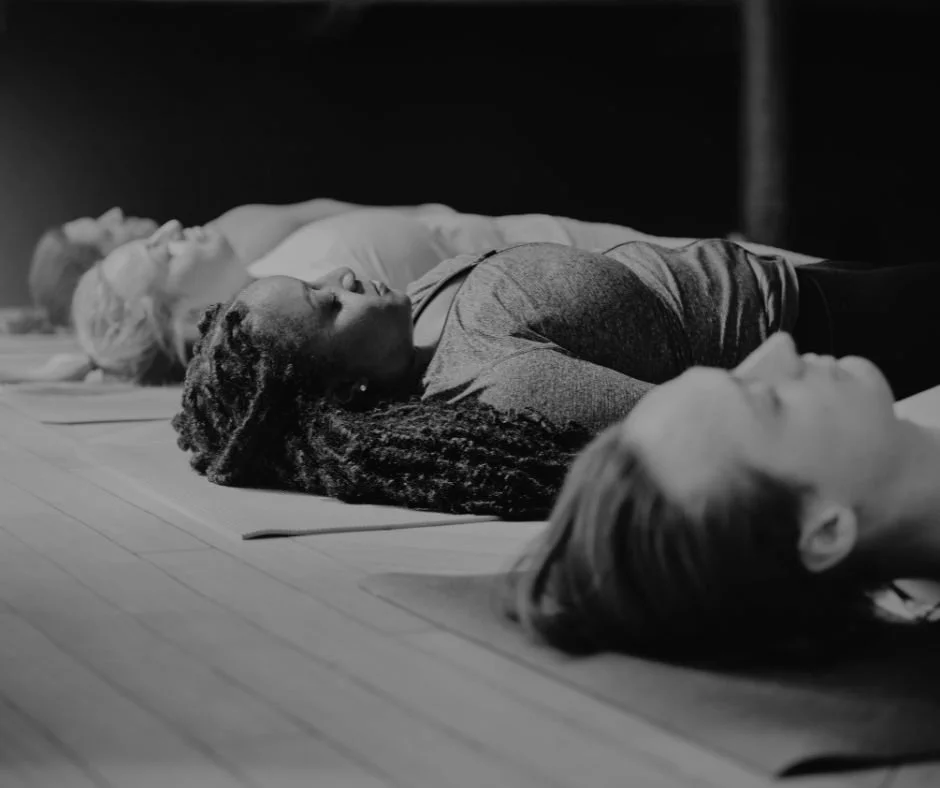
CCB works directly with your body to promote better health and resilience from the inside out.
Here are some of the benefits:
-
By actively exercising your nervous system, you improve your vagal tone, helping your body transition more easily between states of stress and deep relaxation.
-
The continuous flow of air temporarily alters your blood chemistry, energising your cells and supporting overall vitality.
-
Our bodies physically brace against stress. CCB helps to naturally unwind and release this muscular tightness and physical holding.
-
By lowering chronic stress and shifting the body out of "fight or flight," you give your immune system the energy and environment it needs to function optimally.
Mental Benefits of Conscious Connected Breathwork
CCB acts as a reset button for a busy, cluttered mind, creating space for new perspectives. It also helps to move from the thinking mind into the feeling body.
Here are some mental benefits of CCB:
-
By temporarily down-regulating the Default Mode Network (the brain's "inner critic"), you clear mental fog and make room for productive, present-moment thinking.
-
While not a replacement for therapy, it is an incredible complementary tool for managing symptoms of anxiety, depression, and mental exhaustion.
-
As your brainwaves slow into an alpha or theta state, many participants report sudden breakthroughs in creative thinking, problem-solving, and deep intuition.
-
Most of us try to solve our stress through "top-down" processing, trying to think, talk, or logic our way out of anxiety. CCB uses a "bottom-up" approach.
By using the physical breath to send safety signals directly up to the brain, it naturally quiets the mind when logic simply isn't enough.
Emotional Benefits of Conscious Connected Breathwork
Breathwork helps bypass the analytical mind, allowing you to unlock and process stored emotions safely through the body.
Here are some of the ways it can do that:
-
When we experience stress but don't have the safety to process it, the nervous system gets stuck in a loop. CCB provides the safety and physical rhythm required to finally complete these biological stress cycles.
-
Emotions are physical events that can get trapped in our tissues as chronic tension. The continuous breath safely accesses and "thaws" these stored emotions so they can move through and out of the body.
-
You do not need to attach a story to your feelings to let them go. Crying, laughter, or shaking are completely welcome and help you discharge heavy survival energy.
-
It builds a stronger, safer connection to your own body, increasing your capacity to navigate life's challenges without becoming flooded.
How is CCB Different from Other Breathing Techniques?
| Feature | Conscious Connected Breathwork (CCB) | Holotropic Breathwork | The Wim Hof Method |
|---|---|---|---|
| Pacing & Tone | Fluid, gentle, and trauma-informed. Highly adaptable to your own window of tolerance. | Often vigorous, intense, and physically demanding. | Highly activating, energising, and challenging. |
| Breathing Pattern | A continuous, circular loop with no pauses between the inhale and exhale. | Rapid, deep breathing, but without specific structural rules or continuous loops. | Deep, active breathing followed by intentional, prolonged breath holds. |
| Primary Goal | Emotional integration, somatic healing, acccessing non-ordinary states, and down-regulating the nervous system. | Accessing non-ordinary states, deep catharsis, and intense emotional release. | Building physical resilience, boosting the immune system, and cold tolerance. |
| Accessibility | Highly accessible. Can be practised safely one-on-one, in gentle group settings, or at home. | Typically requires a highly structured, closely supervised group setting. | Focuses heavily on physical stamina and mindset training. |
Because the world of breathwork is so vast, it’s pretty normal to feel a confused about which style is right for you. While some practices are designed to quickly give you energy, and others are meant to put you to sleep, Conscious Connected Breathwork sits in its own unique space, closely linked to some other more intense breathwork practices.
Here is a clear look at how CCB compares to other well-known, intensive modalities of breathwork:
What About Everyday Conscious Breathing Techniques?
While we talk about Conscious Connected Breathwork a lot, that does not mean it is necessarily the "best" or most powerful technique for you. Breathwork is not a one-size-fits-all practice, and sometimes an intense, deep-dive session simply isn't what your nervous system needs on a given day.
Easy to use and everyday practices like Box Breathing, Coherent Breathing, or Alternate Nostril Breathing are are incredible, highly effective tools for immediate, day-to-day regulation.
Because we believe in having a diverse, adaptable toolkit, we teach a wide variety of breathing techniques throughout our courses and live sessions. You can explore our library of different breathing techniques to find exactly what works for you right now, or join our All Access Breathwork Membership for a huge variety of guided audio and video practices, including CCB, gentle daily resets, and simple tools to quickly calm your mind.
Safety First:
Is CCB Right for You?
At Breathing Space,we fundamentally believe that breathwork is for everyone. However, that does not mean every technique is right for every body at every moment.
Conscious Connected Breathwork is a profound tool, but more is not always better. True somatic healing happens when you feel secure, not when your nervous system is forced open.
Modifying Your Practice
If you have specific medical conditions, it might not be safe or supportive to do a full, intensive CCB session. We ask that you speak with a medical professional and a trauma-informed facilitator before practising CCB if you are experiencing:
Active mental health crises or severe panic disorders
Active surgery sites or recent major injuries
Pregnancy
Cardiovascular conditions or high blood pressure
A history of seizures or epilepsy
If any of these apply to you, you are still absolutely welcome in our spaces. We will always work with you to find a modified, gentle breathwork practice that suits exactly where you are right now. Your safety is always our priority.
You can read our full guidelines on our dedicated Breathwork Safety page and learn more in our Breathwork Waiver.
Try a 3-Minute CCB Taster!
How did that feel?
Even in just three minutes, you might have noticed a subtle (or not so subtle!) shift in your mind or a settling in your nervous system.
If you enjoyed that experience and want to gently explore further, we are here to support you. You can take the next step at your own pace by jumping into our free Intro Course, where we will help you build your practice safely and comfortably or by joining out community for a free live class!
Conscious Connected Breathwork is, above all else, an experiential practise. This means it’s much easier to experience the profound effects for yourself than to try to explain it.
If you are curious about how this actually feels in your own body, you do not need to commit to an hour-long session right away.
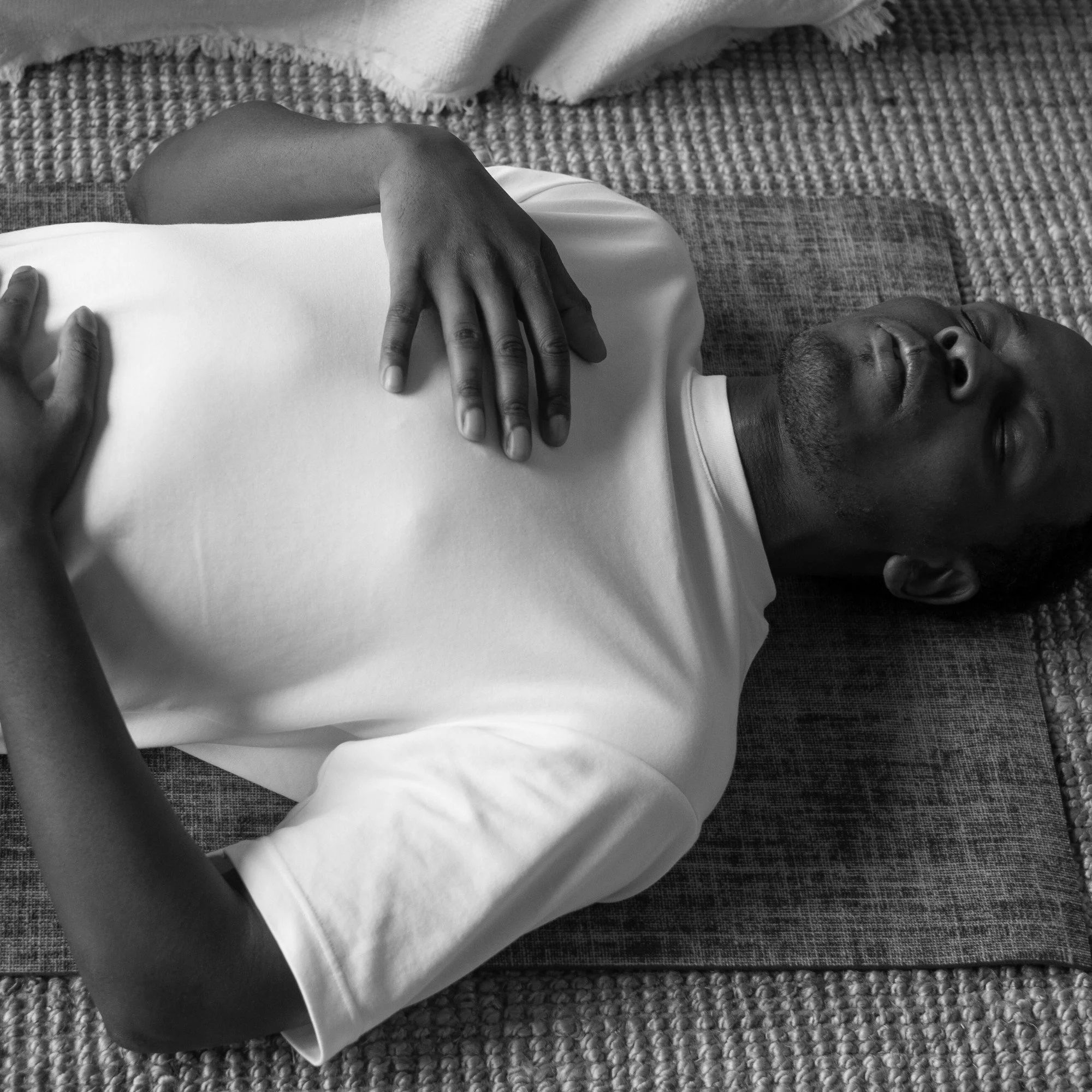
In this short video, Breathing Space founder Benedict Beaumont will guide you through the absolute basics of the continuous breath.
Where Did Conscious Connected Breathwork Originate?
The practice of using the breath to alter consciousness, heal the body, and connect to the spirit is not a modern invention. The continuous, circular breathing pattern we use in CCB has deep, ancient roots that span the globe.
For thousands of years, variations of active, connected breathing have been central to Indigenous healing rituals, Sufi spiritual practices, Taoist energy work, and the rich lineages of Yogic Pranayama.
While practices like Tibetan Tummo breathing or specific Tantric breathwork have different specific mechanical goals, they all share the fundamental understanding that the breath is a profound technology for altering our state of being.
The Western Translation of the 1970s
Intensive breathwork was brought into mainstream Western psychology in the 1970s during the psychedelic revolution. It was primarily through two modalities that drew heavily on these ancient practices:
Rebirthing Breathwork: Developed by Leonard Orr, this rebirthing breathing technique focused on using a connected breath to release deeply held emotional blocks and birth trauma.
Holotropic Breathwork: Created by Dr. Stanislav Grof, this technique combined rapid breathing with evocative music to help participants access non-ordinary states of consciousness for psychological healing.
The Evolution to Trauma-Informed CCB
While these 1970s practices were groundbreaking in the West, they were often highly intense, focused on pushing for deep catharsis, and physically demanding. Sometimes these practices were causing more harm and re-traumatisation than they solved.
Today’s Conscious Connected Breathwork with Breathing Space honours the ancient, cross-cultural lineages of the circular breath, while moving away from the older "push through the pain" mentality of the 1970s. Our aim is to bridge the timeless wisdom with modern nervous system science, creating a trauma-informed, highly accessible practice that respects your body's limits and keeps you firmly in control of your own experience.
Frequently Asked Questions about Conscious Connected Breathwork
-
Conscious Connected Breathwork (CCB) is a dynamic breathing technique that involves a continuous, circular breathing pattern. It safely helps you release stored stress, process emotions, and connect to deeper layers of self-awareness.
-
Yes, CCB is generally very safe when practised in a supportive, guided environment. However, if you are pregnant, have heart issues, epilepsy, or are navigating an active mental health crisis, we recommend consulting a healthcare provider and informing your facilitator. We can always modify the practice to keep you safe. Learn more about Breathwork Safety.
-
It is completely normal to feel overwhelmed sometimes. Because CCB actively lowers your mental guard, stored emotions and physical sensations can surface quickly. If it feels like too much, remember you are always in control. You can slow your breath, switch to nasal breathing, or simply open your eyes. Our trauma-informed facilitators are trained to help you use grounding and resourcing tools to navigate these moments safely.
-
In everyday life, absolutely. Nasal breathing naturally filters, warms, and humidifies the air, supporting your overall respiratory health. However, CCB is a specific, dedicated practice. Think of it like taking your cardiovascular system to the gym: just as exercising intentionally elevates your heart rate to build physical strength, CCB involves a conscious shift to open-mouth breathing to access deeper levels of somatic release and nervous system regulation.
-
CCB often creates space for suppressed feelings to surface. You might experience tears of grief or sadness, sudden bursts of laughter and joy, or even anger and frustration as stored survival energy releases. All of these emotions are completely welcome and are a natural part of the healing process.
-
CCB works directly with your body to improve oxygenation and circulation, lower stress levels through parasympathetic activation, enhance heart rate variability (HRV), and reduce physical tension. You can read more in our guide to the Benefits of Breathwork.
-
Getting started is simple, and you don't need any prior experience. You can join a free live breathwork session to experience guided CCB, or explore our free Breathwork Starter Kit for self-paced learning.
-
Yes, you can! While live, guided sessions are highly beneficial, home practice is a great way to deepen your connection. Start with a quiet, comfortable space and use guided audio or video resources, like those found in our Breathwork Membership.
-
This entirely depends on your goals and your nervous system's capacity:
Beginners: Start with shorter sessions 1-2 times a week to build familiarity.
Regular practitioners: Incorporate CCB into your routine 2-3 times a week, or as needed.
Advanced practitioners: Engage in deeper, longer sessions weekly to explore more profound states of awareness.
-
While it shares similarities with practices like Holotropic Breathwork or the Wim Hof Method, CCB stands out for its adaptable, trauma-informed approach. It prioritises your personal agency, emotional release, and integration, making it accessible for both beginners and seasoned practitioners alike.
-
For both online and in-person sessions, you will need a quiet space to lie down or sit comfortably, a blanket or cushion for physical support, and water for hydration.
-
We are here to help! Whether you are curious about the benefits, safety, or how to get started on a training pathway, feel free to Contact Us.
Other Ways to Experience Breathwork with Breathing Space
-
Become a certified Breathwork facilitator from the comfort of your own home. Our comprehensive online training program combines in-depth learning with the power of community, guiding you towards mastery of this transformative healing modality.
Perfect for: Aspiring facilitators worldwide who seek a flexible, accessible, and supportive learning environment.
Benefits: In-depth study of Breathwork theory and techniques, trauma informed, inclusive, live interactive sessions with experienced facilitators, personalized feedback and mentorship, a thriving online community, and the tools to build a successful Breathwork practice.
-
Embark on a transformative journey to become a certified Breathwork facilitator. Our comprehensive apprenticeship program will equip you with the knowledge, skills, and confidence to guide others on their healing journeys.
Perfect for: Individuals passionate about personal growth, healing, and empowering others through Breathwork.
Benefits: In-depth training in Breathwork theory and practice, mentorship from experienced facilitators, a supportive community of fellow apprentices, and the opportunity to launch a fulfilling career.

-
Deepen your understanding and practice of Breathwork at your own pace with our comprehensive online courses. Designed for beginners and experienced practitioners alike, our courses offer a transformative journey into the power of breath.
Explore the Foundations: Discover the science and history of Breathwork, learn essential techniques, and experience the profound benefits of this powerful modality.
Specialized Courses: Practice Breathwork for specific areas of interest, such as Breathwork for stress relief, breathwork for anxiety, emotional regulation, or spiritual awakening.
Self-Paced Learning: Learn at your own rhythm, with access to video lessons, guided practices, and downloadable resources.
-
Unlock a treasure trove of Breathwork practices designed to support your well-being and personal growth.
Unlimited Guided Sessions: Explore diverse breathwork sessions tailored to your unique needs and goals.
Meditations for Every Mood: Find peace and balance with guided meditations for relaxation, focus, and emotional well-being.
Conscious Connected Breathwork: Deepen your practice with extended sessions that promote profound healing and transformation.
Convenience & Accessibility: Practice anytime, anywhere, at your own pace.
Regular Updates: Discover new practices and expand your Breathwork journey.

-
Join our global community for transformative Breathwork events, both online and in-person. Experience the power of breathwork in a supportive space, connect with like-minded individuals, and deepen your practice.
Our events include:
Online Breathwork Circles: Participate in live, guided Breathwork sessions from the comfort of your own home, connecting with a virtual community from around the world.
In-Person Gatherings: Experience the collective energy of Breathwork in person at events hosted in various locations worldwide.
Workshops & Seminars: Deepen your understanding of specific Breathwork techniques or themes through specialized workshops and seminars.
Special Events: Immerse yourself in unique Breathwork experiences, such as sound baths, movement workshops, and retreats.
-
Escape the ordinary and embark on a transformative journey within at our curated Breathwork retreats. Held in serene locations around the world, our retreats offer a sanctuary for deep healing, personal growth, and connection with like-minded souls.
Our retreats feature:
Immersive Breathwork Practices: Dive deep into various Breathwork techniques, guided by experienced facilitators, to release emotional blockages, awaken your potential, and cultivate inner peace.
Mindfulness & Movement: Complement your Breathwork practice with yoga, meditation, nature walks, or other mindful movement practices that nourish body and soul.
Community Connection: Forge meaningful bonds with fellow retreat participants, creating a supportive and uplifting space for shared experiences and growth.
Nourishing Cuisine: Enjoy delicious, healthy meals prepared with locally sourced, seasonal ingredients to support your well-being.
Rest & Relaxation: Unwind in tranquil surroundings, allowing your body and mind to fully integrate the transformative effects of Breathwork.
Learn more about our upcoming breathwork retreats!