
The Nervous System & Breathwork

Your nervous system is working all the time, shaping how you feel, think, and respond to the world, even though most of us probably haven’t thought much about it since school.
It plays a role in how you react to stress, how safe or settled you feel in your body, how quickly you recover after something difficult, and how easily you connect with others. Long before you’ve had time to think something through, your nervous system has already responded.
When anxiety, overwhelm, exhaustion, shutdown, or emotional reactivity show up, most of us don’t think about physiology. We just know something feels off, or that we’re not coping the way we think we should be.
But these responses are actually signs of an incredible nervous system doing exactly what it was designed to do: keep you safe.
This article offers an introduction to how the nervous system works, with a particular focus on the autonomic nervous system which is the part responsible for automatic processes you don’t consciously control, like breathing, heart rate, digestion, and stress responses.
Understanding your nervous system can be a powerful way to make sense of what’s happening, recognise your responses with more clarity, and create a bit more choice in how you meet everyday life.
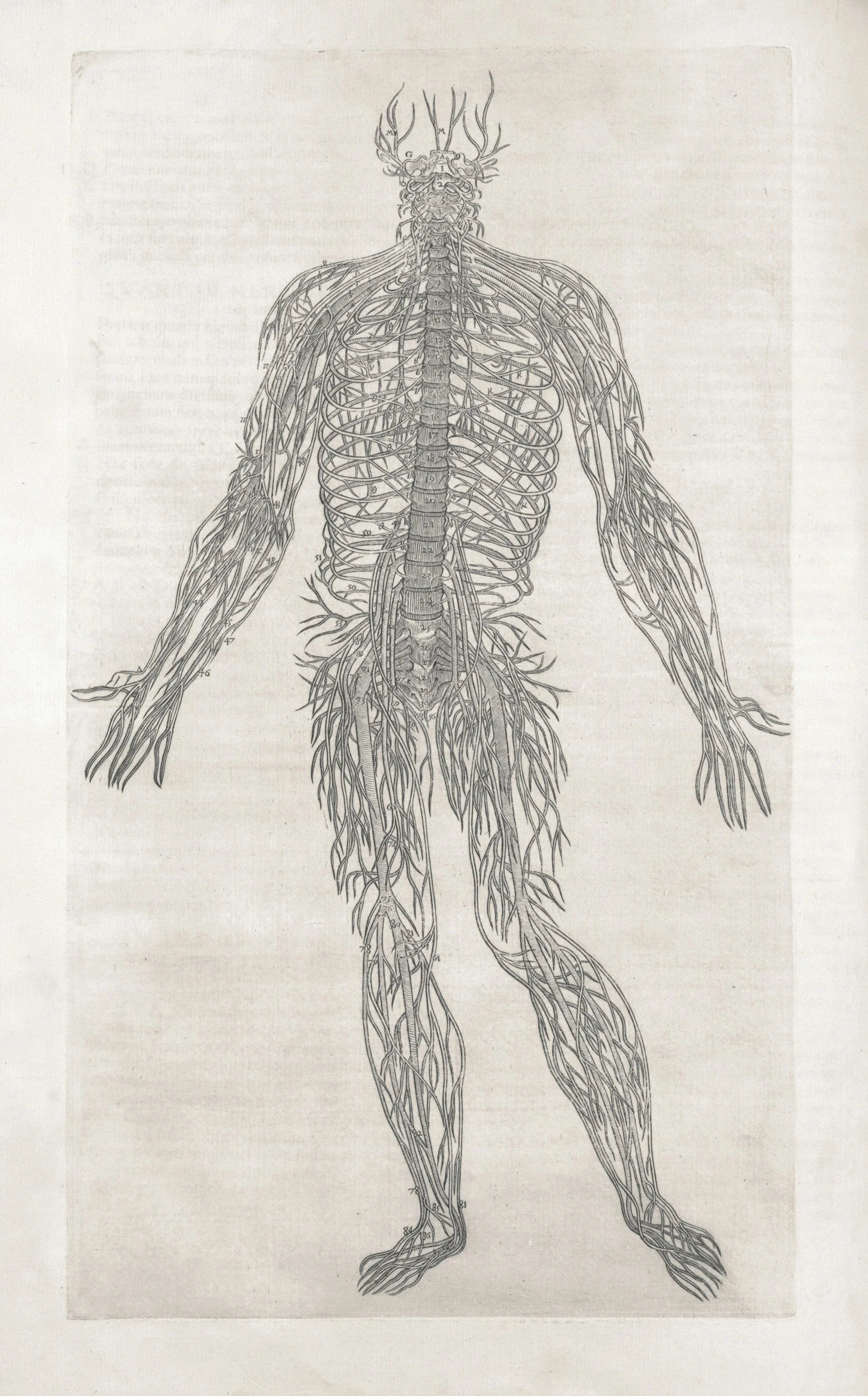
What Is The Nervous System?
Your nervous system is your body’s communication network.
It’s the system that:
takes in information (from your senses, your body, your environment)
decides what that information means
sends signals back out to organise a response
Some of this happens through conscious choice, like deciding to move your arm or read this sentence. A lot of it happens automatically, like blinking, digesting food, or reacting before you’ve had time to think.
Two Main Parts Of The Nervous System
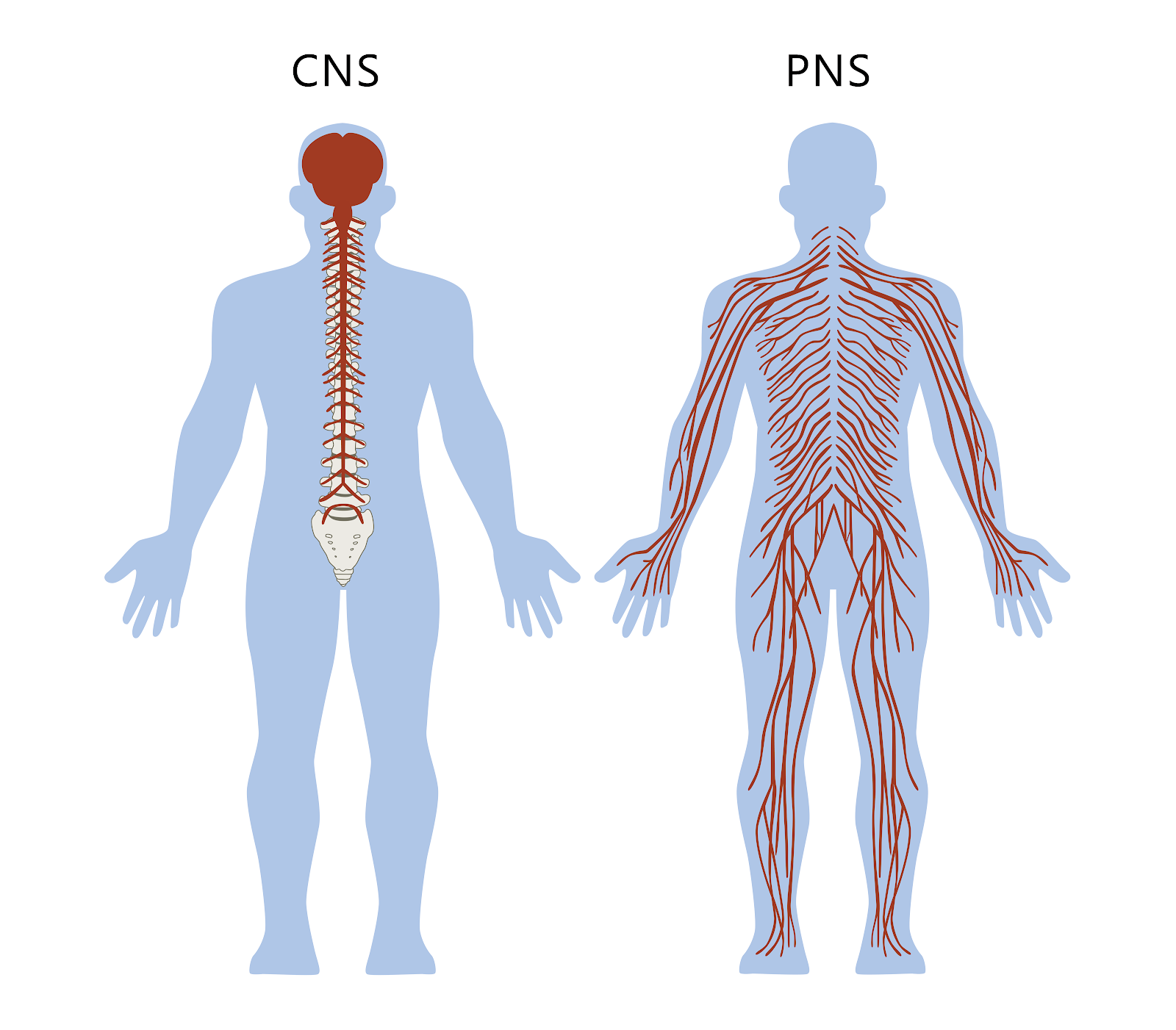
1) The Central Nervous System (CNS)
This is your brain and spinal cord. It’s the main processing centre.
2) The Peripheral Nervous System (PNS)
This is everything else, the nerves that branch out from the brain and spinal cord and travel through the rest of the body.
You can think of it like this:
the central nervous system is the headquarters
the peripheral nervous system is the communication network that carries messages back and forth
Two main divisions of the autonomic nervous system
What The Nervous System Is Doing All Day
Your nervous system helps regulate:
attention and focus
movement and coordination
pain and sensation
emotions and stress responses
rest and sleep
connection and social engagement
It’s also constantly scanning for cues of safety and threat in the background. This scanning is one reason you can feel calm in one environment and tense in another, without knowing exactly why.
What Is The Autonomic Nervous System?
The autonomic nervous system is the part of your nervous system that runs in the background.
It’s responsible for all the things your body does without you having to think about them, like breathing, heart rate, digestion, blood pressure, and temperature regulation. You don’t need to remember to make these things happen. They just do.
This system is always active, adjusting moment by moment based on what’s happening inside you and around you.
You might not notice it when everything feels relatively balanced. But you’ll often feel it when it shifts, when your heart races, your breath changes, your stomach tightens, or your body suddenly feels heavy or alert.
Your Body’s Autopilot
A helpful way to think about the autonomic nervous system is as your body’s autopilot.
Just like an autopilot system in a plane:
it constantly monitors conditions
it makes small adjustments to keep things running smoothly
it responds quickly when something changes
The goal isn’t necessarily comfort, it’s survival and efficiency.
If the system senses safety, it supports rest, repair, digestion, and connection.
If it senses threat or demand, it shifts the body toward action, alertness, or protection.
Importantly, the autonomic nervous system doesn’t rely on logic or language. It responds to patterns, cues, and past experience. That’s why your body can react before your mind has caught up.
The Two Main Autonomic Branches
The autonomic nervous system has two main branches that work together all the time.
They’re often described as opposites, but that’s not quite accurate. A more accurate way to think about them is as different modes the body moves between, depending on what’s needed in the moment.
Both are essential and are active every day.
The Sympathetic Nervous System
The sympathetic nervous system is the branch that supports action and mobilisation.
It’s the system that prepares your body to respond to challenge, demand, or potential threat. These challenges and threats aren’t always tigers or life threatening situations, they also include everyday pressures like deadlines, social interactions, or concentrating hard on a task.
When the sympathetic nervous system is more active, you might notice:
an increase in heart rate
faster or shallower breathing
muscle tension
heightened alertness or focus
a sense of urgency or readiness
This is often described as the fight or flight response, but in modern life it shows up in much subtler ways, being switched on, busy, reactive, or unable to fully relax.
The sympathetic system has a bad reputation, but it’s vital to our lives. It’s what helps you get up in the morning, respond quickly, and meet the demands of daily life. Problems tend to arise when this state becomes constant, with little opportunity to settle or recover.
The Parasympathetic Nervous System
The parasympathetic nervous system supports rest, repair, and recovery.
It’s the branch that allows the body to slow down, digest food, repair tissues, and restore energy. This system becomes more active when the nervous system senses safety.
When the parasympathetic nervous system is dominant, you might notice:
a slower heart rate
deeper, more relaxed breathing
improved digestion
a sense of calm or ease
more access to connection and presence
This is often referred to as rest and digest, but it also supports things like creativity, learning, and emotional regulation.
Like the sympathetic system, the parasympathetic system isn’t meant to be “on” all the time. It works best when the body can move fluidly between activation and rest.
Balance Isn’t About Being Calm All The Time
A common misunderstanding is that a healthy nervous system is one that’s always calm.
In reality, a healthy nervous system is flexible.
It can:
activate when needed
settle when the demand passes
move between states without getting stuck
Stress and difficulty often arise not because one system is active, but because the nervous system has learned to stay in one mode for too long.
Why Your Nervous System Responds The Way It Does
Your nervous system doesn’t respond randomly.
It responds based on pattern, experience, and prediction.
At its core, the nervous system is trying to answer one ongoing question:
“Is this safe, or do I need to protect myself?”
It gathers information from:
your body (sensations, breath, heart rate)
your environment (sound, movement, facial expressions, tone of voice)
your history (what’s happened before in similar situations)
And then it responds in the way it believes is most likely to keep you safe.
Learning Through Experience
The nervous system is shaped over time. If certain situations repeatedly felt overwhelming, unsafe, unpredictable, or demanding, the nervous system learns to respond quickly and efficiently in those moments. That learning happens whether or not the original situation is still present.
This is why:
your body might tense before you consciously feel stressed
your heart might race in familiar situations
you might feel shut down or withdrawn without a clear reason
These responses are learned strategies, even if they no longer serve you.
The Nervous System Prioritises Speed Over Accuracy
One important thing to understand is that the nervous system values speed more than precision.
It would rather respond quickly and be slightly wrong than respond slowly and risk harm. This is why reactions often happen before conscious thought.
From the nervous system’s point of view, it’s better to prepare for something that might be a threat than to wait and find out too late.
This can be frustrating in modern life, where many stressors aren’t life-threatening but still trigger strong physiological responses.
Past Experience Shapes Present Response
The nervous system doesn’t distinguish between past and present in the way our thinking mind does.
If a situation resembles something that was once stressful or unsafe, the body may respond as if that earlier experience is happening again — even if, logically, you know you’re okay.
This is especially relevant when considering:
chronic stress
neurodivergence
environments where safety or support was inconsistent
In these cases, the nervous system may stay on higher alert because it learned that being prepared was necessary.
Stress, Safety, And Regulation
From a nervous system perspective, stress is what happens when your body senses demand without enough safety or support. That demand might be physical, emotional, social, cognitive, or environmental, and it doesn’t need to be extreme to have an impact.
Your nervous system is constantly assessing risk and safety, often outside of conscious awareness. This is sometimes referred to as neuroception, the body’s ability to detect cues of safety or threat without thinking about it. You don’t decide whether something feels safe; your nervous system does.
What Safety Means To The Nervous System
Safety, in nervous system terms, isn’t just about the absence of danger.
It can include:
feeling physically comfortable
being able to predict what’s happening next
feeling understood or supported
having choice and control
being able to rest without interruption
When enough of these cues are present, the nervous system is more likely to settle. When they’re missing, or when demands are constant, the system shifts toward protection.
This is why two people can be in the same situation and have very different stress responses. The nervous system responds based on lived experience, not logic.
You can explore this idea further in our article on Polyvagal Theory and Breathwork, which looks more closely at how safety and connection shape nervous system states:
https://www.makesomebreathingspace.com/blog/polyvagal-theory
What Regulation Actually Means
Regulation is often misunderstood as being calm all the time.
In reality, regulation means having enough flexibility in the nervous system to respond appropriately and then recover.
A regulated nervous system can:
become activated when needed
settle when the demand passes
move between states without getting stuck
Stress becomes an issue when the nervous system doesn’t get the chance to complete these cycles, when activation keeps stacking without relief, or when shutdown becomes the default.
This is why chronic stress, burnout, anxiety, and emotional numbness are so closely linked with nervous system patterns rather than isolated “mental health issues”.
Why Regulation Isn’t About Forcing Calm
Trying to force relaxation when the nervous system feels unsafe can actually increase stress.
If the body doesn’t yet experience safety, being told to “calm down” or “relax” can feel frustrating or impossible. Regulation starts with meeting the system where it is, not asking it to skip steps.
This is where practices that support grounding and resourcing can be helpful, creating a sense of stability before expecting the system to soften.
Stress, Capacity, And Context
It’s also important to name that stress isn’t evenly distributed.
Factors like:
trauma history
neurodivergence
chronic illness or pain
systemic pressure or marginalisation
lack of rest or support
can all reduce available capacity, meaning the nervous system reaches overload more quickly.
Understanding stress through the lens of the nervous system helps move away from self-blame and toward more realistic, compassionate ways of responding.
Where Breathwork Fits In
Breathwork is one of the few ways we can influence the autonomic nervous system directly.
Most of the systems that regulate stress, arousal, and recovery operate outside of conscious control. You can’t think your heart rate down, tell your digestion to switch on, or reason your way out of a stress response once it’s already underway.
Breathing is different.
Breath sits at a crossroads between conscious and automatic function. You don’t usually need to think about it, but you can choose to change it. That’s why breathwork is often described as a bridge between the mind and the nervous system.
What Breathwork Can Do
Different breathing patterns send different signals to the nervous system.
For example:
slower breathing with a longer exhale tends to signal safety and support settling
faster or more continuous breathing can increase activation and awareness
pauses, rhythm, and depth all influence how the body responds
This doesn’t mean breathwork “controls” the nervous system. It means it offers information, and the nervous system responds to that information based on context and capacity.
Breathwork Is Not One Thing
Breathwork isn’t a single technique or experience.
There are many different styles, ranging from very gentle practices that support grounding and regulation, to more immersive approaches that temporarily shift the nervous system out of its usual patterns.
What’s supportive depends on:
the person
their nervous system history
their current capacity
the context they’re practicing in
This is why breathwork works best when it’s flexible, choice-led, and responsive, rather than prescriptive.
You can see examples of different approaches in our Breathing Techniques section.
Breathwork And Awareness
Beyond physiological effects, breathwork can also increase awareness.
By paying attention to the breath, people often begin to notice:
when they’re holding or bracing
how quickly their system shifts under stress
what helps them settle, and what doesn’t
This awareness is often the first step toward regulation. You can’t change a pattern you can’t feel or recognise.
Breathwork doesn’t replace other forms of support, and it isn’t about fixing the nervous system. It’s one way of building a relationship with it, learning its signals, limits, and rhythms.
Working With Your Nervous System
Any meaningful change in the nervous system starts with safety.
Not the idea of safety, but the felt experience of it, even in small, imperfect ways. Without that, the nervous system stays focused on protection, and no amount of technique or intention will override that priority.
This is why approaches that try to push the nervous system into calm or openness can backfire. From the body’s perspective, safety has to come first.
Safety Is A Condition, Not A Goal
Safety isn’t something you achieve after doing the “right” practice. It’s the condition that allows the nervous system to soften, settle, or explore change at all.
For the nervous system, safety might look like:
having choice and control
knowing what to expect
being able to stop or pause
feeling physically comfortable
not being rushed or pressured
These cues matter more than any specific technique.
Working With Capacity
Every nervous system has a different capacity at different times.
What feels supportive one day might feel overwhelming the next.
Working with your nervous system means:
noticing when something feels like too much
allowing smaller steps instead of forcing progress
respecting signs of fatigue, shutdown, or agitation
Practices that honour capacity tend to be more sustainable than those that prioritise intensity or catharsis.
Regulation Is Built Through Experience
The nervous system learns through experience, not instruction.
Each time your body experiences:
slowing without collapse
activation without overwhelm
presence without pressure
it gathers evidence that safety is possible.
This is how regulation is built, gradually, through repetition, and within tolerable limits.
A Broader View Of Support
Breathwork can be part of this process, but it’s not the only factor.
Supportive nervous system work might also include:
rest and sleep
predictable routines
gentle movement
supportive relationships
reducing unnecessary stressors
Breathwork works best when it’s integrated into a wider context of care, rather than used in isolation.
A Final Note
Your nervous system isn’t something to fix or master. It’s a living system shaped by experience, context, and care. Working with it starts by listening to what it needs now, not what you think it should be able to handle.
When safety is present, even in small ways, the nervous system can begin to change on its own terms.
Next Steps With Breathing Space
If you’re here because you want to understand your nervous system and have some practical ways to work with it, these are good places to explore next:
Try a free session (all levels welcome): our Free Weekly Breathwork sessions are friendly, inclusive, and offered across time zones.
https://www.makesomebreathingspace.com/free-breathworkLearn the basics at your own pace: the Breathwork Starter Kit is a simple starting point if you want structure without pressure.
https://www.makesomebreathingspace.com/breathwork-starter-kitExplore specific tools for specific needs: our Targeted Breathwork Techniques include practices for anxiety, sleep, focus, emotional regulation, and more.
https://www.makesomebreathingspace.com/targeted-breathworkGo deeper into the vagus nerve and stress responses: if this article raised questions, you might like The Vagus Nerve and Breathwork.
https://www.makesomebreathingspace.com/blog/the-vagus-nerveIf you’re a facilitator or in training: our 400-Hour Breathwork Facilitator Training (GPBA accredited) includes nervous system education and trauma-informed practice throughout.
https://www.makesomebreathingspace.com/facilitator-training
If you’d like support choosing what’s right for your current capacity, you can reach us here:
https://www.makesomebreathingspace.com/contact

Interested in Trying a Variety of Breathwork Techniques?
Join our Breathing Space All Access Pass! Dozens of video guided breathwork techniques, guided meditations, and conscious connected breathwork journeys. 7 Day Free Trial to make sure it’s right for you.