

About Breathing Space Breathwork
Trauma-Informed Breathwork, Ethical Training & Inclusive Community
Breathing Space is a breathwork school and global community rooted in safety, accessibility, and ethical practice. We specialise in trauma-informed breathwork, conscious connected breathwork, and facilitator training that honours the nervous system, consent, and integration.
The body holds more than words can explain.
Breathing Space exists to offer a place where breath becomes a bridge back to safety, connection, and inner trust.
The Breathing Space Story
How a longing for community became a global breathwork home
Breathing Space didn’t begin as a business plan or a brand. It began with two people, Benedict Beaumont and Jennifer Nolan, who were tired, disconnected, and searching for a sense of community.
In 2017, Benedict was a high school teacher living with burnout. Jennifer was a Registered Nurse working in the NHS and navigating her own newly diagnosed neurodivergence, recovery, and a deep longing to create spaces where people could be fully themselves.
After coming back from traveling the world and discovering the incredible magic of breathwork, they settled in Exeter. That sense of disconnection became even clearer. They were craving community, embodiment, and deep fulfillment but they could not find it.
So they created it.
Breathing Space began in a small church hall, offering donation-based breathwork and yoga sessions.
From there, Breathing Space grew slowly and deliberately. Low-cost retreats followed in the Devon countryside, guided by an early commitment that finances would never be the reason someone was excluded. Breathwork, they believed then, and still believe now, should be accessible, especially for those who need it most.
Over time, something unexpected unfolded.
From that small hall in Exeter, Breathing Space grew into an international community. Thousands of people around the world began practising breathwork through Breathing Space. Hundreds of students trained as facilitators, carrying this work into their own communities with care, integrity, and humility.
Yet the heart of Breathing Space has remained unchanged.
It continues to be guided by the same questions:
What helps people feel safe enough to breathe?
What supports real, embodied change, not just intense experiences?
How can space be held responsibly, ethically, and with respect for the nervous system?
Today, Breathing Space is both a breathwork school and a living and thriving international community. It’s a place to practise, to learn, and to reconnect. It is not about becoming someone else. It is about remembering what is already here.
Breathing Space’s Ethos & Foundations
What guides everything we do at Breathing Space?
Breathing Space is shaped by a simple belief: meaningful change happens when people feel safe enough to be themselves and that everyone has the innate wisdom to be their own best healer.
Every offering, from free community sessions to professional facilitator training, is held within a clear ethical frame and a deep respect for the nervous system, individual autonomy, and lived experience.
They are practices that inform how space is held, how breathwork is taught, and how people are met.
Connection
Healing happens in relationship
Breathing Space exists because connection matters. Not just connection to others, but connection to the body, to breath, and to what is already alive within.
Community is not treated as an afterthought. People are welcomed as whole human beings, with complex histories, emotions, and needs.
Breathing together creates shared ground. From there, trust can grow.
Accessibility
Breathwork is not a luxury.
Breathing Space was built on the belief that breathwork should not be reserved for the privileged few. Financial barriers, educational background, neurodivergence, or prior experience should never determine who gets access to support.
This commitment shows up through:
free weekly breathwork sessions
bursaries and flexible payment options
clear, non-technical language
multiple ways to engage at different depths
Accessibility is ongoing work.
Empowerment
You are not broken, and you are powerful.
Breathing Space does not position facilitators as healers who “do” something to others. Breathwork is offered as a collaborative, relational practice, one that supports people to listen to their own bodies and inner signals.
Participants are encouraged to:
move at their own pace
make choices that feel right for them
trust their own boundaries and capacity
The role of the facilitator is to support conditions for awareness and integration, not to override, diagnose, or rescue.
Exploration
There is no single right way to breathe.
Breathwork is not a formula. It is an exploration and one that looks different for every person, and different at different moments in life.
Curiosity is encouraged over achievement. Breathwork is approached as a relationship that unfolds over time, rather than a tool for instant transformation.
This openness allows people to discover what supports them, rather than trying to fit themselves into a predefined outcome.
Ethics & Responsibility
Care comes before technique.
Breathing Space holds ethics as central, not optional.
This includes:
clear consent and choice
respect for scope of practice
awareness of power dynamics
trauma-informed facilitation
ongoing self-reflection and learning
Professional training is grounded in responsibility, humility, and accountability, recognising that holding space for others carries real impact.
Safety, integration, and referral are treated with the same seriousness as breathwork technique itself.

Our Approach to Breathwork
Trauma-informed, ethical, and grounded in nervous system awareness
At Breathing Space, breathwork is approached as a relationship rather than a technique used to fix or force change. The breath is an invitation, one that honours individual pace, choice, and lived experience. Safety, consent, and nervous system awareness form the foundation of all our practices and trainings.
Rather than prioritising intensity or cathartic release, the focus is on regulation and capacity. Change is supported when the nervous system feels resourced enough to engage. Regulation here does not mean being calm all the time, but having the ability to move between different states, activation, rest, emotion, and stillness, without becoming overwhelmed or shut down.
All breathwork is taught and held within a trauma-informed, somatic framework. Participants are encouraged to listen to their own bodies, adapt practices as needed, and make choices moment by moment. Facilitators are trained to respect clear scope of practice, consent, and power dynamics, and to recognise when support or referral beyond breathwork is needed.
Integration is considered as important as the breathing itself. Space is given for preparation, grounding, and reflection, supporting breathwork as a long-term, sustainable practice rather than a one-off experience.
Meet the Founders
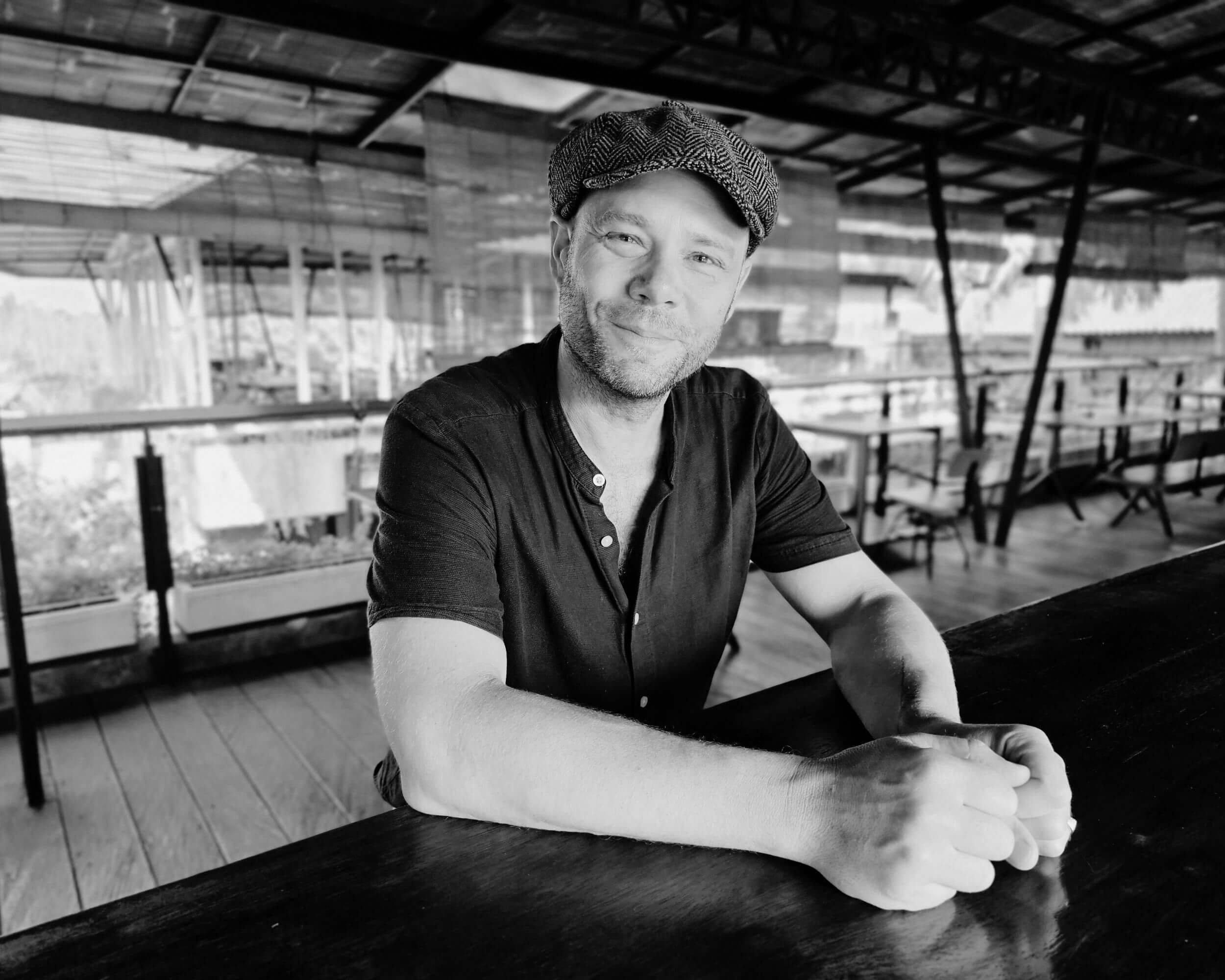
Benedict Beaumont
Founder · Lead Trainer · Breathwork Educator
Benedict Beaumont is a breathwork teacher, trainer and leader in the Breathwork world whose work sits at the meeting point of nervous system awareness, somatic practice, and ethical facilitation.
Originally a high school teacher experiencing burnout, Benedict was introduced to breathwork in 2017 through a session with Anthony Abbagnano, founder of Alchemy of Breath. That experience reshaped his understanding of the breath, not as a quick fix or performance, but as a relational practice that supports regulation, insight, and long-term change.
He completed the first Alchemy of Breath Facilitator Training in 2017, later mentoring within the programme, and went on to co-found Breathing Space with Jennifer in 2018. What began as small community workshops grew into retreats and, eventually, professional training programmes.
Benedict’s teaching is grounded, inclusive, and trauma-informed. He places strong emphasis on consent, scope of practice, and facilitator responsibility, and is actively involved in shaping ethical standards within the wider breathwork field. His approach values presence over performance, regulation over intensity, and authenticity over perfection.
At the heart of his work is a simple reminder: the breath already carries intelligence, the role of the facilitator is to create the conditions where people can listen to it safely.

Jennifer Nolan
Co-Founder · Educator · Course Designer
Jennifer Nolan brings together a background in nursing, women’s health, education, and online course creation to shape how Breathing Space teaches and shares breathwork.
Her work is informed by years of supporting people with complex needs, including neurodivergent individuals and those from communities that are often overlooked or underserved. This experience deeply influences how Breathing Space courses are designed, with clarity, care, and a strong commitment to trauma-informed learning.
Jennifer focuses on creating educational spaces where people feel safe enough to learn, explore, and make sense of their own experience without pressure or overwhelm.
Whether developing training materials, shaping online courses, or holding the wider vision for accessibility, her guiding question is always the same: what helps people feel supported enough to stay present and engaged?
Her intention is simple: that everyone who enters Breathing Space feels they belong, exactly as they are.
Trauma-Informed and Consent-Led
Safety, choice, and pacing are central to everything we do. Breathwork is taught and facilitated in ways that respect nervous system capacity, personal boundaries, and lived experience.
Comprehensive Training and Resources
From free weekly sessions to our 400-hour, GPBA-certified Breathwork Facilitator Training, we offer a wide range of courses and resources to meet you wherever you are on your breathwork journey.
Ethical, Responsible Practice
We take the responsibility of holding space seriously. Clear scope of practice, consent, safeguarding, and referral are built into our trainings and community standards, not treated as afterthoughts.
Accessible at Every Stage
From free weekly sessions to professional facilitator training, there are multiple ways to engage. No previous experience is required, and flexibility, bursaries, and clear language help reduce barriers to participation.
Experienced, Thoughtful Teaching
Our trainings are created and led by experienced educators who value depth over performance. Complex ideas are made understandable, and learning is supported in a way that honours both skill development and personal process.
A Global, Supportive Community
Breathing Space is not a one-off experience. It is an ongoing community of people practising, learning, and supporting one another across different countries, backgrounds, and life stages.
Why Choose
Breathing Space?
Ready to Start Your Journey with Breathing Space?
Explore our free sessions, courses, and training options today and find your place in the Breathing Space community.
-
Become a certified Breathwork facilitator from the comfort of your own home. Our comprehensive online training program combines in-depth learning with the power of community, guiding you towards mastery of this transformative healing modality.
Perfect for: Aspiring facilitators worldwide who seek a flexible, accessible, and supportive learning environment.
Benefits: In-depth study of Breathwork theory and techniques, trauma informed, inclusive, live interactive sessions with experienced facilitators, personalized feedback and mentorship, a thriving online community, and the tools to build a successful Breathwork practice.
-
Embark on a transformative journey to become a certified Breathwork facilitator. Our comprehensive apprenticeship program will equip you with the knowledge, skills, and confidence to guide others on their healing journeys.
Perfect for: Individuals passionate about personal growth, healing, and empowering others through Breathwork.
Benefits: In-depth training in Breathwork theory and practice, mentorship from experienced facilitators, a supportive community of fellow apprentices, and the opportunity to launch a fulfilling career.

-
Deepen your understanding and practice of Breathwork at your own pace with our comprehensive online courses. Designed for beginners and experienced practitioners alike, our courses offer a transformative journey into the power of breath.
Explore the Foundations: Discover the science and history of Breathwork, learn essential techniques, and experience the profound benefits of this powerful modality.
Specialized Courses: Practice Breathwork for specific areas of interest, such as Breathwork for stress relief, breathwork for anxiety, emotional regulation, or spiritual awakening.
Self-Paced Learning: Learn at your own rhythm, with access to video lessons, guided practices, and downloadable resources.
-
Public Library: Your Breathwork Sanctuary
Unlock a treasure trove of Breathwork practices designed to support your well-being and personal growth.
Unlimited Guided Sessions: Explore diverse breathwork sessions tailored to your unique needs and goals.
Meditations for Every Mood: Find peace and balance with guided meditations for relaxation, focus, and emotional well-being.
Conscious Connected Breathwork: Deepen your practice with extended sessions that promote profound healing and transformation.
Convenience & Accessibility: Practice anytime, anywhere, at your own pace.
Regular Updates: Discover new practices and expand your Breathwork journey.
Click here to learn more about the Breathing Space Membership

-
Join our global community for transformative Breathwork events, both online and in-person. Experience the power of breathwork in a supportive space, connect with like-minded individuals, and deepen your practice.
Our events include:
Online Breathwork Circles: Participate in live, guided Breathwork sessions from the comfort of your own home, connecting with a virtual community from around the world.
In-Person Gatherings: Experience the collective energy of Breathwork in person at events hosted in various locations worldwide.
Workshops & Seminars: Deepen your understanding of specific Breathwork techniques or themes through specialized workshops and seminars.
Special Events: Immerse yourself in unique Breathwork experiences, such as sound baths, movement workshops, and retreats.
-
Escape the ordinary and embark on a transformative journey within at our curated Breathwork retreats. Held in serene locations around the world, our retreats offer a sanctuary for deep healing, personal growth, and connection with like-minded souls.
Our retreats feature:
Immersive Breathwork Practices: Dive deep into various Breathwork techniques, guided by experienced facilitators, to release emotional blockages, awaken your potential, and cultivate inner peace.
Mindfulness & Movement: Complement your Breathwork practice with yoga, meditation, nature walks, or other mindful movement practices that nourish body and soul.
Community Connection: Forge meaningful bonds with fellow retreat participants, creating a supportive and uplifting space for shared experiences and growth.
Nourishing Cuisine: Enjoy delicious, healthy meals prepared with locally sourced, seasonal ingredients to support your well-being.
Rest & Relaxation: Unwind in tranquil surroundings, allowing your body and mind to fully integrate the transformative effects of Breathwork.
Learn more about our upcoming breathwork retreats!
Testimonials
-
Breathwork is generally safe when taught and facilitated responsibly. At Breathing Space, all practices are trauma-informed, consent-led, and guided by nervous system awareness. You are always encouraged to listen to your body, adapt the practice, and take breaks as needed.
We do not push people beyond their capacity, and facilitators are trained to work within clear scope of practice and to refer on when appropriate.
Learn more about Breathwork here -
No. Many people join Breathing Space having never tried breathwork before. All sessions and courses are designed to be accessible, with clear guidance and encouragement to move at your own pace.
-
Many people who come to Breathing Space have lived experience of trauma. Practices are designed to prioritise safety, choice, and pacing, and to avoid overwhelming the nervous system.
That said, breathwork is not a replacement for therapy or medical care. If you’re unsure whether breathwork is right for you, you’re welcome to reach out and ask questions before joining.
-
Breathing Space teaches a range of breathwork practices, including gentle, regulating techniques and more exploratory forms of breathwork such as Conscious Connected Breathwork. All approaches are taught within a trauma-informed, ethical framework that values integration over intensity.
Professional trainings include clear guidance on when and how different practices are appropriate.
-
No. Breathing Space is not affiliated with any religion or belief system. Some people experience breathwork as deeply meaningful or reflective, while others approach it in a practical, body-based way. All perspectives are welcome.
-
Training is open to people from a wide range of backgrounds. What matters most is a willingness to learn, reflect, and engage ethically with the responsibility of holding space for others.
Some trainings such as our 50 hour Breathwork Coaching course can be started right away, while our 400 hour Facilitator training require an application or conversation beforehand to ensure they’re the right fit. This is about care and safety, not gatekeeping.
-
Breathing Space places ethics, consent, and nervous system awareness at the centre of breathwork practice and training. The work is held with steadiness, humility, and respect for individual experience, without pressure, performance, or promises of quick transformation.
-
You’re welcome to explore the site, join a free session, or get in touch directly at breathe@makesomebreathingspace.com or through our Contact Us page.
Frequently Asked Questions
Policies & Procedures