

What is Breathwork?
The Complete Guide for Beginners
From simple daily regulation to profound emotional release, your breath is a powerful tool that can do it all. Discover the science and practice of intentional breathing and how you can get started using your breath today.
Take a Breath
When was the last time you truly noticed your breath?
Pause for a moment now.
Take a deep, slow breath in through your nose.
Hold it briefly.
Now let it out with a gentle sigh.
Congratulations, you’ve just practised a simple form of breathwork!
In today’s fast-paced world, our breathing often operates entirely on autopilot, going unnoticed and undervalued.
But your breath is actually a profound, built-in tool for regulation. Whether you want to quickly reduce stress, sharpen your mental focus, or explore deep emotional healing, your breath can do it! This guide will explain exactly what breathwork is, how it works, and how you can safely start practising it today.
What Exactly is Breathwork?
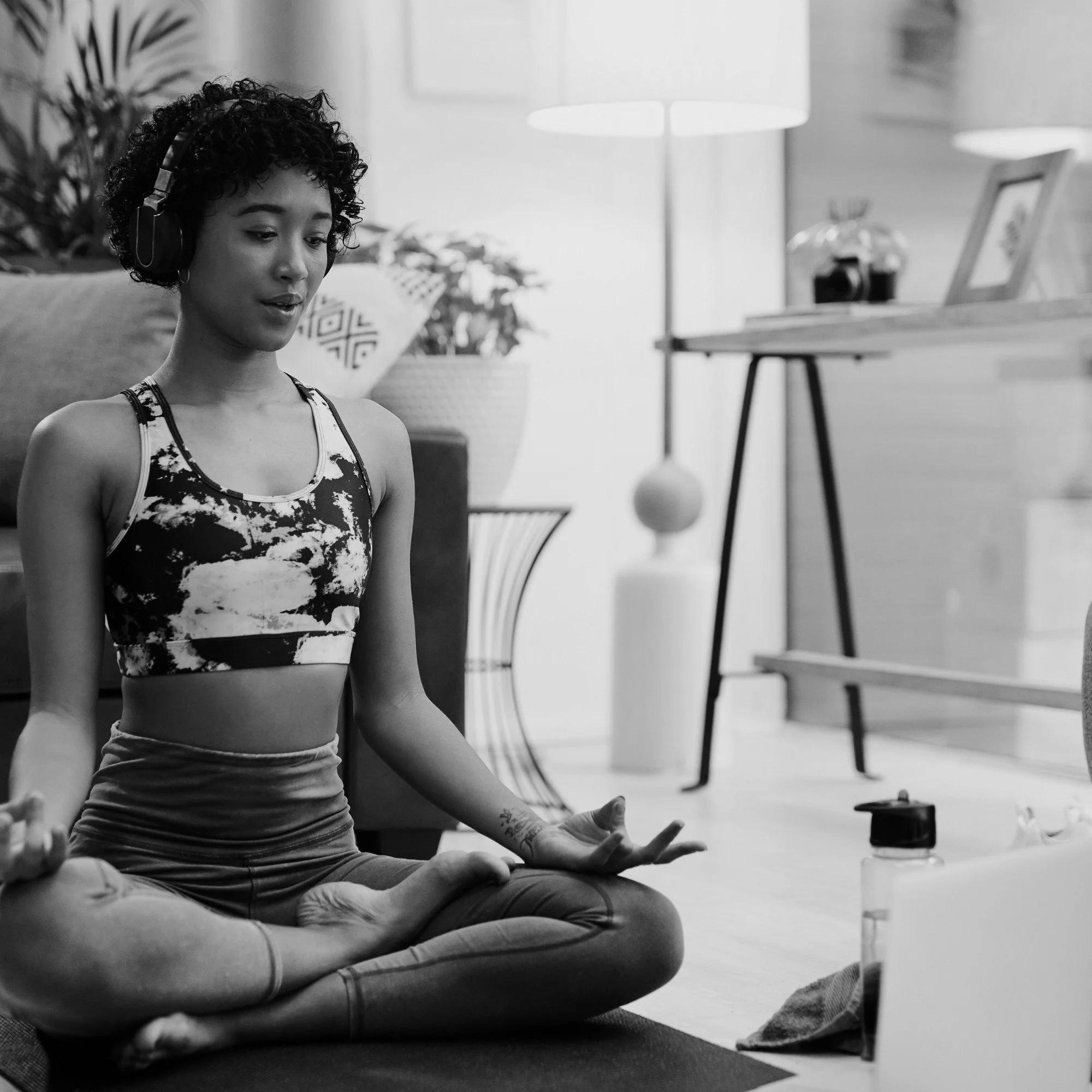
At its core, breathwork is the intentional practice of changing your breathing pattern to influence your physical, mental, and emotional state.
Most of the time, breathing is automatic. Your autonomic nervous system keeps you breathing while you sleep, work, and go about your day without you ever having to think about it. However, breathwork is intentional. When you engage in deliberate breathing exercises, you take control of the process.
By simply changing how fast, how deep, or where you breathe, you can send direct signals to your brain to shift your physiology. You can use it to wake your body up, or you can use it to signal deep safety, naturally lowering the stress hormone cortisol in the process. It all depends on what type of breathwork you take part in.
Different Types of Breathwork
Because the term "breathwork" is an umbrella for hundreds of different practices, it can sometimes feel a bit overwhelming. To make it easier to understand, we can group most breathing techniques into four main categories, depending on what you need most in that moment.
-
![everyday breathwork for regulation]()
Everyday Regulation
CALMING TOOLS
These are gentle, highly accessible deep breathing exercises designed to manage daily stress and bring you back to a baseline of calm. Techniques like box breathing, alternate nostril breathing, and diaphragmatic breathing (belly breathing) are used to actively engage the parasympathetic nervous system (your body's "rest and digest" mode).These practices are incredible for your daily mental health, often helping to lower blood pressure, improve heart rate variability, and naturally reduce stress in just a few minutes.
-
![breathwork for performance]()
Performance and Focus
ENERGIZE & OPTIMIZE
Sometimes, you don't need to calm down; you need to wake up. Performance-based breathwork intentionally activates the sympathetic nervous system (your "fight or flight" response) in a safe, controlled way.
Athletes, creatives, and high-performers use rapid or intense breathing patterns to temporarily increase their heart rate, boost adrenaline, and sharpen their cognitive focus before a big event.
-
![Goal-Specific Breathing]()
Goal-Specific Breathing
PRACTICAL TOOLS
We also use highly targeted breathwork to support specific physical functions or life events. A perfect example is the focused breathing used during childbirth and labour to help manage physical intensity and stay grounded.It also includes the functional breathing taught in physical rehabilitation, or the specialised breath control required by professional singers, public speakers, and free-divers.
-
![]()
Therapeutic Breathwork
ALTERED STATES & DEEP EXPLORATION
On the deepest end of the spectrum are more intensive, therapeutic practices like Conscious Connected Breathwork (CCB). Instead of just relaxing the body for a few minutes, these longer, guided practices use a continuous, circular breath to intentionally shift your state of consciousness.This helps the nervous system safely access stored emotional weight, complete unresolved stress cycles, and facilitate profound somatic healing and emotional release without needing to logically "talk" through it.
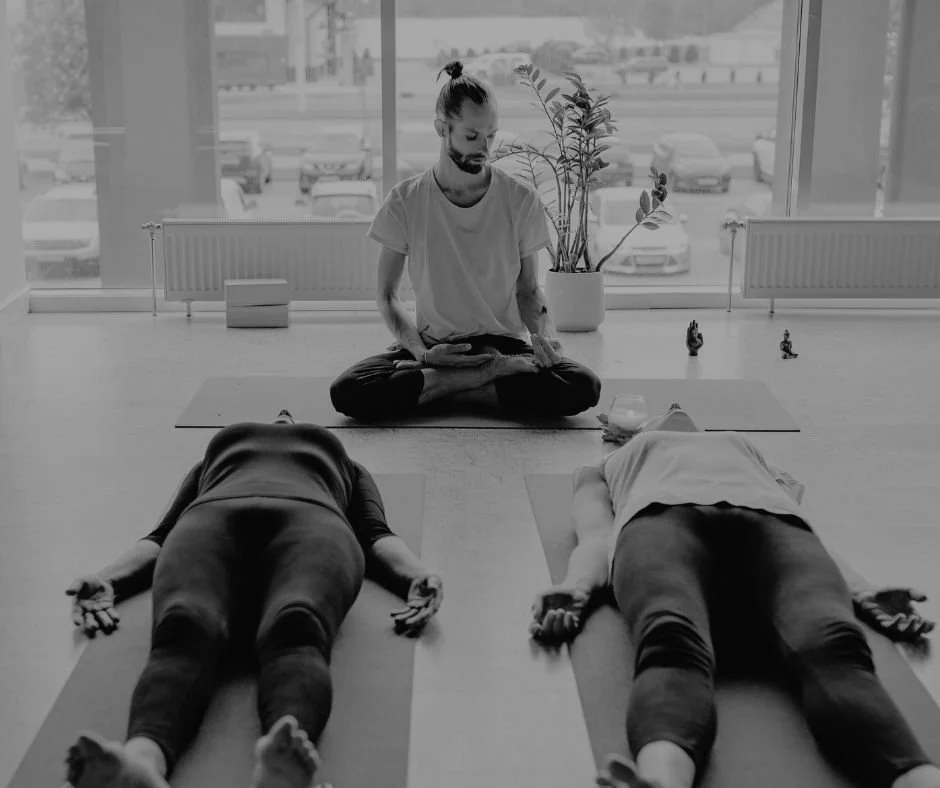

Experience it Yourself:
3 Breathwork Exercises to Try
Because breathwork is an experiential practice, the easiest way to understand what it is, is simply to feel it. You don't need any special equipment or prior experience to get started.
Here are three beginner-friendly breathing techniques, complete with guided videos, to help you feel the shift in your own nervous system right now.
Breath Awareness
Before we change the breath, we simply observe it. Breath awareness is the foundation of all breathwork practices and involves noticing your natural breathing pattern without trying to alter or judge it. By focusing on your breath, you bring your attention out of your racing thoughts and into the present moment.
When to use it: Perfect for grounding yourself during stressful moments or as the starting point for any deeper breathwork practice.
Box Breathing
Also known as square breathing, this is a simple, highly effective technique used by everyone from athletes to first responders to quickly calm an activated stress response.
How it works: You inhale for 4 seconds, hold for 4 seconds, exhale for 4 seconds, and hold for 4 seconds.
When to use it: Use this during moments of acute anxiety or right before an important event (like a meeting or presentation) to regain your focus.
Coherent Breathing
This is a gentle, balancing practice designed to synchronise your breathing with your heart rate, promoting deep relaxation and mental clarity. It is incredibly simple, but biologically profound.
How it works: You inhale gently through the nose for 5 seconds, and exhale gently through the nose for 5 seconds, creating a continuous, smooth rhythm.
When to use it: This is an incredible daily practice to build emotional resilience and support your overall cardiovascular health.
Ways to Experience Breathwork With Breathing Space
-
Free Weekly Breathwork Sessions
Experience the power of breathwork in a warm, supportive community. We offer 5 online sessions a week.
-

Breathwork Starter Kit
Our free starter kit to help you learn various techniques and discover how breathwork can address your unique needs.
-

Breathing Space All Access Breathwork Membership
A treasure trove of guided practices, videos, guided meditations, and resources to support your journey.
Benefits of Breathwork
When you practice techniques like the ones above, the physical and emotional shifts you feel aren't magic (although they feel like it!), they are a direct biological response. Whether you are looking to manage daily overwhelm or explore deep emotional healing, regular breathwork offers profound, evidence-based benefits.
1. Mental Health and Emotional Regulation
Reduces Anxiety and Stress: Intentional deep breathing exercises actively lower the stress hormone cortisol, signalling to your brain that you are safe.
Enhances Emotional Resilience: It provides a safe, physical way to process and release suppressed emotions without needing to over-analyse them.
Improves Focus: By balancing the autonomic nervous system, practices like coherent breathing clear mental fog and improve cognitive performance.
2. Physical Health and Physiology
Supports Heart Health: Regular practice is clinically shown to lower blood pressure and improve heart rate variability (HRV), which is a key marker of your body's ability to adapt to stress.
Improves Sleep: Slow, diaphragmatic breathing before bed calms an overactive nervous system, making it easier to fall asleep and stay asleep.
Because the breath impacts almost every system in the human body, this is just the tip of the iceberg.
The Science Behind Breathwork: Is Breathwork Legit?
One of the most common questions people ask is: Is breathwork scientifically proven? The short answer is yes.
For a long time, breathwork was often dismissed as purely mystical or "woo-woo." Today, modern neuroscience and physiology have entirely validated what ancient traditions have known for centuries. You don't need to "believe" in breathwork for it to work.
The Remote Control for Your Nervous System
Your autonomic nervous system is divided into two main branches: the sympathetic nervous system (your internal gas pedal, responsible for the stress response) and the parasympathetic nervous system (your internal brake, responsible for rest and repair).
Most of us spend our lives with the gas pedal stuck down. Breathwork is the only autonomic function we have conscious control over. When you use slow breathing techniques, you stimulate the vagus nerve. This immediately applies the biological brakes, shifting your body out of survival mode and into a state of physical safety and repair.
Who Is Breathwork For?
Breathwork is for everyone.
Regardless of your age, background, or experience, breathwork offers something unique to support your well-being. It’s a highly adaptable practice that can meet you wherever you are, whether you’re seeking calm, clarity, or transformation.
Learn More About Breathwork
Explore our latest breathwork articles covering everything from the basics of breathwork, all the way through to professional breathwork practice.
Read More on our Breathwork Knowledge Hub
New to Breathwork? Start here:
Take your first steps into the transformative world of breathwork with these beginner-friendly resources.

Free Breathwork Starter Kit
Sign up for our Breathwork Starter Kit to learn the basics of breathwork, explore its benefits, and try your first breathing exercises
Free Weekly Breathwork Sessions
Join our live, online sessions five times a week, guided by our supportive facilitators. A perfect way to experience breathwork in a welcoming community.
Online Breathwork Courses
Explore our courses, from our free starter kit to professional facilitator training. Whether building a personal practice or training to teach, find an ethical, trauma-informed pathway that suits your journey.
Simple Ways to Practice Breathwork Daily
Morning Ritual
Begin your day with intention. Set aside 5-10 minutes each morning for a simple breathwork practice. It could be a few rounds of box breathing or a guided meditation focused on the breath. This will help you center yourself, reduce stress, and set a positive tone for the day ahead.
Stressful Commute
Transform your commute into a mindful experience. Instead of getting caught up in traffic or distractions, practice breath awareness. Observe the natural flow of your breath as you inhale and exhale. This can help you arrive at your destination feeling calm and focused, rather than frazzled.
Midday Reset
Take a "breathing break" during your lunch break or whenever you feel overwhelmed or fatigued. Find a quiet spot, close your eyes, and practice a few minutes of deep belly breathing. This will help you recharge, improve focus, and tackle the rest of your day with renewed energy.
Bedtime Ritual
Wind down before bed with a calming breathwork practice. Try alternate nostril breathing or a guided relaxation exercise to quiet your mind and prepare your body for restful sleep.
On-the-Go Breathwork
Keep a few simple breathwork techniques in your back pocket for stressful situations. Whether you're stuck in a long queue or feeling anxious before a presentation, take a few deep breaths to center yourself and regain composure.
During Your Activities
Breathwork doesn't have to be a separate activity. You can incorporate it into your existing routines, such as yoga, exercise, or even walking. Simply focus on your breath as you move, deepening your inhales and exhales, and noticing the sensations in your body.
Remember, consistency is key when it comes to experiencing the benefits of breathwork. Start with small, manageable practices and gradually increase the duration as you feel comfortable. The more you integrate breathwork into your daily life, the more you'll experience its transformative power.
Frequently Asked Questions About Breathwork
-
Breathwork is a scientifically validated method for improving physical and mental health. While it has become more popular recently, it is rooted in ancient traditions and supported by modern neuroscience. By consciously changing your breathing, you directly influence your autonomic nervous system, which has been shown in numerous studies to reduce the stress hormone cortisol, lower blood pressure, and improve heart rate variability (HRV).
Learn more in our breathwork research page -
Breathwork is a versatile tool that supports the body and mind in several ways. Practically, it can help reduce symptoms of anxiety and depression, improve sleep quality, and sharpen mental focus. Somatically, it is used to complete unresolved stress cycles and release emotional tension stored in the body. Physically, regular practice can support respiratory health and cardiovascular resilience.
-
Yes. When you are anxious, your breathing typically becomes shallow and rapid, which keeps you in a state of "fight or flight." By intentionally practising slow breathing or diaphragmatic breathing, you send a biological signal to your brain that you are safe. This activates the parasympathetic nervous system, which naturally slows your heart rate and quiets the racing thoughts associated with anxiety.
-
During intensive sessions (like Conscious Connected Breathwork), many people experience altered states of consciousness, vivid imagery, or feelings of euphoria. While there is popular speculation that this is caused by the release of DMT in the brain, there is currently no clinical proof of this. We value these experiences for their own healing potential and profound insights, regardless of the specific chemical cause.
Learn more in our article about DMT breathwork -
While they are closely related, they are not exactly the same. Many modern breathwork techniques are informed by Pranayama (the yogic practice of breath control), which is thousands of years old. However, "breathwork" today is a broader umbrella that also includes modern psychological and somatic practices developed specifically for trauma release and nervous system regulation.
-
Breathwork is generally very safe, but it is a powerful practice. Some people may experience temporary physical sensations like tingling (paresthesia), light-headedness, or significant emotional release. For everyday regulation, there is very little risk. However, for more intensive somatic sessions, we recommend working with a trauma-informed facilitator, especially if you have a history of cardiovascular issues, seizures, or severe panic disorders. You are always in control of your own practice.
-
Absolutely anyone can try breathwork. It is a highly accessible tool that requires no prior experience with meditation or yoga. Whether you are a complete beginner looking for a way to manage stress or an experienced practitioner wanting to go deeper, breathwork can be adapted to suit your current capacity and needs.
-
You can practice breathwork as often as you like, and even three minutes of conscious breathing can make a noticeable difference in your day. For long-term benefits—like improved emotional resilience and lower baseline stress—consistency is key. Many people find that a daily 5-10 minute morning or evening ritual is the best way to anchor the practice.
-
While breathwork is not a substitute for physical exercise or a balanced diet, it can support weight management indirectly. By lowering cortisol levels and reducing stress, breathwork can help regulate metabolism and reduce stress-related eating. Some active techniques may slightly increase your heart rate, but the primary focus is always on internal regulation rather than calorie burning.
-
Yes, it is one of the most effective ways to prepare the body for rest. Techniques like 4-7-8 breathing, alternate nostril breathing, or simply extending your exhales help to quiet the mind and signal to your system that it is time to transition into a "rest and digest" state.
-
The "best" technique depends on your goal for that day. If you need immediate calm, we recommend box breathing or diaphragmatic breathing.
If you are looking for emotional healing or deeper self-discovery, a guided Conscious Connected Breathwork session is a great place to start.
You can explore our Free Starter Kit to try a few different styles and see what resonates with your nervous system.