
Is Breathwork Safe?
“Is breathwork safe?”
It’s one of the most common questions we get asked at Breathing Space, right after “what is breathwork?”.
The honest answer? Yes and no.
Breathwork is powerful because it works directly with your nervous system, heart rate, oxygen levels, and emotional state. And anything that influences your body this directly deserves thoughtful conversation about safety.
The slightly longer answer answer is this: for most people, most of the time, breathwork is safe. Gentle breathing exercises such as deep breathing or diaphragmatic breathing are widely used to support mental health, reduce stress, and improve physical health. However, some breathwork techniques, particularly more intense practices that we call High Ventilation practices such as holotropic breathwork, Wim Hof breathing, or Conscious Connected Breathwork, can feel physically and emotionally intense. In certain medical or psychological conditions, they may not be appropriate without modification or professional guidance.
That doesn’t mean breathwork is dangerous. It means context matters.
The safety of any breathwork practice depends on:
The specific breathing technique being used
Your underlying health conditions
How the practice is facilitated
Whether you are practicing breathwork gently or pushing intensity
And whether proper screening and care are in place
Let’s take a look at the real potential risks, common effects, and when not to do breathwork. We’ll also look at both physical and mental health considerations, including frequently asked questions such as “Can breathing exercises damage the brain?”, “Is holotropic breathwork safe?”, and “Is breathwork safe during pregnancy?”
Most importantly, we’ll hopefully show you how breathwork can be adapted so that it remains safe, accessible, and beneficial, no matter who is breathing.
What Is Breathwork And Why Does Safety Matter?
Breathwork is an umbrella term for a wide range of breathing techniques that intentionally change the way we breathe in order to influence the body and mind.
Some breathwork exercises are slow and gentle. Others are fast, rhythmic, or more intense. Some focus on relaxation and nervous system regulation. Others aim to create altered states of consciousness or emotional release.
Because breathwork directly affects oxygen levels, carbon dioxide balance, heart rate, blood pressure, and the nervous system, it can have noticeable physical and emotional effects.
That’s exactly why people are drawn to it. And it’s also why safety matters.
Not All Breathwork Is The Same
When people ask “is breathwork safe?” they are often thinking of one specific method, namely Conscious Connected breathwork. But breathwork techniques vary significantly in intensity.
For example:
Gentle breathing exercises
These are widely used in many different settings to support stress reduction, anxiety management, blood pressure regulation, and overall physical health.
These forms are generally safe for most people when practiced calmly and without strain.
In contrast:
More activating or intensive breathwork practices
These techniques often involve sustained rhythmic breathing, mouth breathing, or intentional hyperventilation patterns. They can create stronger physiological shifts in carbon dioxide levels and nervous system activation.
These practices are not inherently dangerous, but they are more powerful due to their ability to alter body chemistry and consciousness. And that power requires discernment.
Why Conscious Connected Breathwork Can Feel Intense
When you change your breathing pattern, you influence:
Oxygen intake
Carbon dioxide levels
Blood vessel constriction
Heart rate
Blood pressure
Nervous system activation
Emotional processing
For example, rapid breathing techniques may temporarily lower carbon dioxide levels in the blood. This can lead to sensations such as:
Tingling in the hands or face
Tightness in the chest
Lightheadedness
“Lobster claw” hands (temporary muscle contraction)
Emotional waves
These effects are usually temporary and resolve when breathing returns to its natural rhythm. However, if someone doesn’t understand what’s happening, or if they have a history of trauma, panic attacks, or medical anxiety, these sensations may feel alarming.
Rapid shifts in breathing can mimic the physical sensations of stress or fear, which may activate the nervous system even further.
That’s where education and informed practice make all the difference.
So Is Breathwork Dangerous?
For the majority of healthy individuals practicing appropriate breathing techniques with awareness and care, breathwork is not dangerous and can be very beneficial.
However, certain medical conditions and mental health conditions require caution, modification, or medical advice before practicing more intense breathwork.
When Not To Do Breathwork (Or When To Modify It)
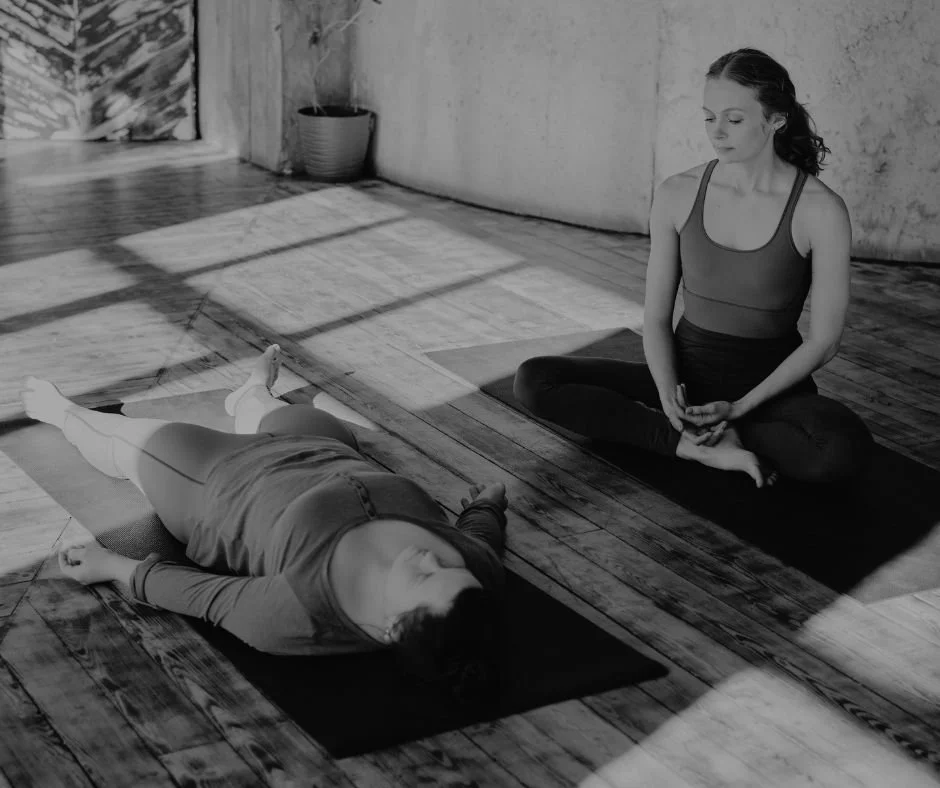
Breathwork is not one single thing. Different breathing techniques affect the body in different ways. So when we talk about “when not to do breathwork,” we’re usually talking about more intense, high-ventilation practices such as Conscious Connected Breathwork, not gentle deep breathing.
For most people, slow breathing exercises are safe and supportive. However, certain health conditions require extra care, modification, or medical guidance before practicing more activating breathwork techniques.
Physical Health Considerations
You should speak with a doctor or qualified medical professional before practicing high-ventilation breathwork if you have:
Cardiovascular conditions (heart disease, arrhythmias, uncontrolled high blood pressure)
A history of stroke or aneurysm
Epilepsy or seizure disorders
Severe or uncontrolled asthma or respiratory conditions
Recent surgery
Serious chronic illness affecting oxygen regulation
High-ventilation breathing can temporarily alter carbon dioxide and oxygen balance in the body. While this is generally safe in healthy individuals, certain medical conditions may increase potential risks.
Gentle breathing techniques such as diaphragmatic breathing, nasal breathing, or coherent breathing are often safe for people with many of these conditions, but it’s always wise to check with a healthcare provider if unsure.
Mental Health Considerations
Breathwork directly affects the nervous system and can intensify emotional responses.
High-intensity practices should be approached carefully if someone is experiencing:
Active PTSD with frequent flashbacks
Severe anxiety or panic disorder
Psychosis or schizophrenia
Bipolar disorder in an unstable phase
Severe depression with suicidal ideation
This does not mean breathwork itself is harmful, instead it means that the type of practice, pacing, and level of support matter deeply.
Many people with mental health challenges benefit enormously from gentle breathing exercises that calm the nervous system. The key is matching the technique to the person.
Pregnancy and Breathwork
One of the most searched questions is: Is breathwork safe during pregnancy?
Gentle breathing techniques are often beneficial during pregnancy and can support stress reduction and nervous system regulation. They are also incredibly powerful in labour and the birthing process.
However, high-ventilation practices like holotropic breathwork or intense CCB are generally not recommended during pregnancy without specific medical guidance.
Children and Breathwork
Gentle breathing exercises are typically safe and supportive for children and can be so powerful in teaching emotional regulation strategies.
High-intensity breathwork is not appropriate for children and adolescents whose nervous systems are still developing and who don’t have the ability to provide informed consent to practice.
The Most Important Safety Principle
If you ever feel:
Chest pain
Fainting
Severe distress
Ongoing disorientation
Or anything that feels medically concerning
Stop the practice and seek medical care. Breathwork should never override your common sense.
Breathwork Dangers And Side Effects
When people ask us about breathwork dangers, they’re usually asking one of two things:
Is this practice harmful?
Could I damage my brain, heart, or mental health by doing this?
1. Hyperventilation and Carbon Dioxide Shifts
High-ventilation breathwork techniques such as Conscious Connected Breathwork (CCB), can temporarily reduce carbon dioxide levels in the blood.
This can cause:
Tingling in hands or face
Muscle tightening (tetany or “lobster claw” hands)
Lightheadedness
Changes in heart rate
Temporary changes in vision
A temporary feeling of dissociation
The important distinction is that these are not damaging to the brain.
In healthy individuals, these changes are temporary and reverse when breathing normalises during the end of the breathwork session.
However, this is why high-ventilation practices should not be done:
Excessively
For prolonged periods
Without guidance
In unsafe environments (e.g., water, driving, heights)
Gentle breathing exercises like diaphragmatic breathing or coherent breathing do not significantly lower carbon dioxide and therefore do not produce these intense side effects.
2. Can Breathwork Damage the Brain?
This is a common worry.
Short answer: no, properly practiced breathwork does not cause brain damage in healthy individuals.
The concern usually comes from misunderstanding hyperventilation. While oxygen and carbon dioxide levels shift temporarily, they return to baseline once normal breathing resumes.
There is no evidence that responsible breathwork practice causes permanent neurological harm in medically screened participants.
3. Mental Health and Emotional Intensity
Another area where participants are often concerned about the dangers of breathwork is emotional destabilisation.
High-intensity breathwork can:
Trigger panic-like sensations
Intensify emotional release
Bring forward vivid memories
For someone with untreated PTSD, active psychosis, or severe instability, this can feel overwhelming.
Gentle breathing practices are often stabilising and supportive for mental health. High-ventilation breathwork is not always the right starting place.
4. Heart Rate and Blood Pressure Effects
Controlled breathing can:
Lower heart rate
Reduce blood pressure
Improve vagal tone
However, very rapid breathing may temporarily increase heart rate and blood pressure during activation phases.
For individuals with cardiovascular conditions, medical clearance is wise before engaging in high-intensity breathwork techniques.
5. When Breathwork Becomes Unsafe
Breathwork becomes risky when:
People push through severe distress
It is practiced competitively
Facilitators and participants ignore contraindications
There is no trauma-informed care
It’s done in unsafe physical environments
Participants are pressured beyond their limits
Breathwork itself is not inherently dangerous but irresponsible facilitation is.

How To Practice Breathwork Safely
Breathwork is such an amazing practice, in whichever way to choose to access it. It is always safest when it is approached with awareness, respect, and choice. Here are a few guidelines if you are just starting out!
1. Start With The Right Type Of Practice for You
If you are new to breathwork, you might want to begin with gentle breathing techniques such as:
These support the nervous system, help with regulation, sleep, relaxation and more without dramatically shifting oxygen or carbon dioxide levels.
High-ventilation breathwork practices such as Conscious Connected Breathwork can be more intense and are best experienced:
With preparation and awareness of what to expect
With medical screening
And not as your very first introduction to breathwork (although some people fall in love with it this way!)
Gentle does not mean ineffective and intensity does not equal breakthrough. In fact, gentle practices are often more sustainable for long-term nervous system regulation.
2. Listen To Your Body
Your body is the primary feedback system.
If you experience:
Mild tingling
Emotional waves
Temperature changes
These can be normal in some breathwork practices.
But if you experience:
Sharp chest pain
Severe dizziness
Loss of consciousness
Ongoing distress
Stop.
Breathwork should challenge you sometimes, but it should not override your instinct or your autonomy.
Safe breathwork includes:
Taking breaks
Adjusting intensity
Changing position
Returning to natural breathing
Intensity is optional but your safety is not.
3. Advocate For Yourself
You are the expert on your own body and mental health.
Before practicing breathwork, you can ask:
What type of breathing technique will we be doing?
Is this high-ventilation breathwork?
What are the contraindications?
Is this trauma-informed?
Can I pause or modify at any time?
If a facilitator dismisses your questions or pressures you to “push through,” that is not a safe environment and this is not the breathwork for you!
A trauma-informed facilitator will:
Emphasise consent
Encourage autonomy
Offer modifications
Normalise pausing
Avoid one-size-fits-all approaches
Not subscribe to guru culture
Breathwork should never feel coercive or competitive.
4. Work With Trauma-Informed Facilitators
Especially for high-ventilation breathwork practices, facilitation matters.
A well-trained, trauma-informed facilitator understands:
Nervous system regulation
Contraindications
Emotional safety
Screening procedures
Aftercare and integration
If you prefer to practice privately at home, our Breathwork Membership offers guided practices across a range of intensities, including gentle nervous system regulation sessions and more activating practices, so you can choose what suits you.
If you are looking for in-person breathwork sessions, you can check out our Breathwork Facilitator Directory that will direct you to the Trauma Informed Breathwork Facilitator practicing near you.
5. Avoid Unsafe Environments
Certain breathwork techniques, especially those involving breath retention or altered states of consciousness, should never be practiced:
In water
While driving
At heights
While operating machinery
Breath retention combined with water has been linked to drowning in unsupervised settings. Breathwork should always be practiced in a physically safe environment where you can sit or lie down comfortably.
6. Know When To Consult A Doctor
If you have:
Heart conditions
Uncontrolled high blood pressure
Epilepsy
Serious respiratory conditions
Severe mental health instability
Speak with a doctor before practicing high-intensity breathwork techniques.
Gentle breathing exercises are often still safe and beneficial, but medical clearance brings peace of mind.

Is Breathwork Safe? Frequently Asked Questions
-
For most healthy individuals, breathwork is safe when practiced appropriately.
Gentle breathing exercises such as diaphragmatic breathing, coherent breathing, and slow nasal breathing are widely used to support mental health, stress reduction, and nervous system regulation.
More intense breathwork techniques such as Conscious Connected Breathwork (CCB) can produce stronger physical and emotional effects. These practices are generally safe when facilitated responsibly, with proper screening and contraindications in place.
Safety depends on:
The breathing technique used
Your health conditions
The environment
The level of facilitation
Whether you listen to your body
-
Breathwork itself is safe.
However, certain high-ventilation breathwork practices can feel intense and may not be suitable for people with specific medical or psychological conditions.
Risks increase when:
Breath retention is practiced in water
People ignore contraindications
Participants are pressured beyond their limits
There is no trauma-informed support
Gentle breathing techniques are extremely low-risk for most people.
-
You should avoid or modify high-intensity breathwork techniques if you have:
Cardiovascular disease
Uncontrolled high blood pressure
Epilepsy or seizure disorders
Severe respiratory illness
Active psychosis
Severe untreated trauma instability
Always consult a doctor if you are unsure.
Gentle breathing exercises are often still safe, but high-ventilation breathwork may require modification or medical clearance.
-
No. Responsible breathwork practice does not cause brain damage in healthy individuals.
Temporary sensations such as tingling, lightheadedness, or muscle tightening are caused by short-term carbon dioxide shifts during rapid breathing. These effects reverse when normal breathing resumes.
Brain damage concerns typically stem from misunderstanding hyperventilation physiology.
Unsafe environments, such as breath retention underwater, are far more dangerous than breathwork itself.
-
Gentle breathing techniques are often beneficial during pregnancy and can support relaxation and nervous system regulation. They are also very powerful during labour, birth, and postpartum care.
High-ventilation breathwork practices are generally not recommended during pregnancy without medical guidance.
Always consult your healthcare provider before beginning any new breathwork practice during pregnancy.
-
Yes.
Breathing practices have been used across cultures for thousands of years, and modern research supports their effects on:
Heart rate variability
Nervous system regulation
Stress reduction
Anxiety symptoms
Emotional regulation
Different breathwork techniques produce different physiological responses. The key is understanding which practice suits your needs.
-
Some breathing exercises overlap with meditation, particularly slow, mindful breathing practices.
However, breathwork can also be more active or physically intense than traditional meditation.
Breathwork is a broader category that includes:
Gentle nervous system regulation practices
Focus-based breathing exercises
High-ventilation emotional release practices
-
Potential risks, primarily with high-intensity breathwork, include:
Hyperventilation side effects
Dizziness
Emotional overwhelm
Panic activation
Blood pressure fluctuations
Temporary muscle contractions (tetany)
These risks are significantly reduced with:
Screening
Trauma-informed facilitation
Medical awareness
Self-advocacy
-
Gentle deep breathing is generally safe.
However, forcing deep breathing excessively can create strain or hyperventilation. Breathwork should feel steady and sustainable, not forced.
Quality matters more than intensity.
How To Get Started With Breathwork at Breathing Space
If you’re curious about breathwork, the best way to understand it is to experience it.
You don’t need prior knowledge. You don’t need to be “good” at breathing or meditation. And you don’t need to jump straight into an intense practice.
At Breathing Space, we offer several entry points depending on what feels right for you.
Join A Free Weekly Online Breathwork Session
Our Free Weekly Breathwork Sessions run online and are facilitated by trained, trauma-informed practitioners.
These sessions are:
Suitable for beginners
Structured and supported
Adaptable to different needs
Grounded in nervous system awareness
It’s a welcoming way to experience breathwork in real time, with guidance and space for your own pace.
👉 Join a free session here:
https://www.makesomebreathingspace.com/free-breathwork
Start At Home With The Breathwork Starter Kit
If you’d prefer to begin privately, our Breathwork Starter Kit is a free online course that introduces you to:
Gentle guided breathing techniques
Foundational breath awareness
Nervous system-informed practices
And a carefully introduced taste of Conscious Connected Breathwork (CCB)
It’s designed to help you explore at your own rhythm.
👉 Access the free Starter Kit here:
https://www.makesomebreathingspace.com/breathwork-starter-kit
Are You a Beginner? Learn More About Breathwork
Curious about the wider breathwork benefits beyond safety? If you’re just starting out and want a clear, grounded introduction, our Breathwork for Beginners guide walks you through what to expect, how it works, and simple techniques to begin building a steady practice.
👉 Explore Breathwork for Beginners here:
https://www.makesomebreathingspace.com/blog/beginner-breathwork
Go Deeper With Ongoing Practice
If breathwork resonates with you, our Breathwork Membership offers:
A growing library of guided practices
Gentle nervous system regulation sessions
More activating practices, including CCB
Educational content on the science of breathwork
Support for building a consistent practice
👉 Explore the Membership here (includes a 7 day free trial to make sure it’s right for you):
https://www.makesomebreathingspace.com/breathwork-membership
Considering Training as a Breathwork Professional?
If you’re interested in facilitating breathwork or weaving it into your professional work, we offer:
A trauma-sensitive Breathwork Coach Certification
A GPBA certified, trauma-formed 400-hour Breathwork Facilitator Training
Ongoing professional development
👉 Learn about training here:
https://www.makesomebreathingspace.com/facilitator-training
https://www.makesomebreathingspace.com/breathwork-coach
Breathwork doesn’t have to be extreme to be powerful.
Wherever you begin with Breathing Space, gently at home, in a free online session, or in a deeper training space, you’ll be supported by practitioners who prioritise safety, consent, and nervous system literacy.