
Diaphragmatic (Belly)
Breathing
Diaphragmatic breathing, sometimes called belly breathing, abdominal breathing, or simply deep breathing, is one of the most useful foundational breathwork techniques. It strengthens your diaphragm, supports healthy breathing patterns, and helps regulate the nervous system.
Many of us breathe high into the chest without realising it. When stress, anxiety, or tension build, the breath often becomes shallow and quick. Diaphragmatic breathing retrains the body to breathe in a way that is steady, efficient, and calming.
This technique is widely recommended in breathwork, yoga, somatic practices, and even mainstream health organisations.
This is a great breathwork technique to start with.
What is diaphragmatic breathing?
Diaphragmatic breathing is a way of breathing that engages the diaphragm, a dome-shaped muscle located beneath your lungs. When the diaphragm moves downward during an inhale, the belly naturally expands. When it relaxes during an exhale, the belly falls.
This is how the body is designed to breathe, deeply, slowly, and with the diaphragm doing most of the work instead of the upper chest, neck, or shoulders.
In daily life, many people lose touch with this natural pattern. Stress, long hours sitting, shallow breathing habits, and cultural conditioning (“hold your stomach in!”) all contribute. Diaphragmatic breathing helps restore the body’s original mechanics.
Five Steps to
Diaphragmatic Breathing
Step 1: Find a comfortable position
Lie on your back, sit upright, or lean against a wall. Choose whatever feels steady.
(Lying on your back can make the movement of the diaphragm easier to feel.)
Step 2: Place one hand on your belly
And place the other hand on your chest.
This gives you immediate feedback about how you’re breathing.
Step 3: Inhale gently through your nose
Let your belly rise into your hand.
Keep the chest as relaxed as possible.
Step 4: Exhale slowly
Allow your belly to soften as the air leaves your body.
You can exhale through the nose or mouth.
Some people like to soften the lips or use a gentle “pursed lips” exhale to slow the breath naturally.
Step 5: Repeat for 5–10 breaths
Let the movement be slow, steady, and unforced.
With practice, you may notice your breathing rate decreasing and your whole system settling.
What are the Benefits of Diaphragmatic or Belly Breathing?
Diaphragmatic breathing has a wide range of benefits for both the body and mind and it has the added bonus that it can be practised by virtually everyone:
1. Calms the nervous system
Slow, diaphragmatic breathing stimulates the vagus nerve, helping shift the body into the parasympathetic “rest-and-digest” state. This can lower heart rate, reduce stress, and support emotional regulation.
2. Supports anxiety and overwhelm
By slowing your breathing rate, the body reduces sensations that can mimic or intensify anxiety. This is why diaphragmatic breathing is often recommended for anxiety, panic, and grounding.
3. Improves breathing efficiency
The diaphragm is a muscle and like any muscle, it strengthens with practice. A stronger diaphragm improves breathing control, reducing the tendency for upper-chest breathing.
4. Supports posture and the rib cage
Breathing with the diaphragm gently mobilises the rib cage and helps release tension in the neck, chest, and shoulders.
5. May help people with breathing challenges
While we are not writing from a clinical perspective, research shows that diaphragmatic breathing is commonly used in pulmonary rehabilitation programmes for people with asthma or COPD (chronic obstructive pulmonary disease) because it can improve ease of breathing and reduce effort.
(Always seek medical advice if you have a diagnosed condition.)
6. Helps regulate heart rate and blood pressure
Slow abdominal breathing can create steadier rhythms in the cardiovascular system, which supports overall emotional and physical health.
7. Grounds the body during difficult emotions
When big feelings rise, grounding the breath in the belly can make the emotional load easier to tolerate. This is why it’s used widely in somatic therapies and mindfulness practices.
Tips for Incorporating Belly Breathing Into Your Day
The more you practice diaphragmatic breathing, the more natural it will become.
Here are a few tips to integrate this practice into your daily life:
Morning Ritual: Start your day with 5-10 minutes of belly breathing to set a calm and grounded tone.
Stressful Moments: Whenever you feel stressed or overwhelmed, take a few minutes to focus on your breath and engage your diaphragm.
Bedtime Routine: Practice diaphragmatic breathing in bed before falling asleep to relax your body and mind.
Mindful Moments: Incorporate belly breathing into other activities, such as walking, waiting in line, or even washing dishes.
How often should I practise diaphragmatic breathing exercises?
There is no strict rule. You can:
Practise once or twice a day for 2–5 minutes
Use it as a reset during stressful moments
Integrate it before sleep
Combine it with meditation, yoga, somatic work, or breathwork sessions
Like any form of breath training, consistency matters more than intensity.
Did You Enjoy This Breathing Technique?
Here are some other ways to experience breathwork
with Breathing Space.

Free Breathwork Resources
-
Not sure if Breathing Space is the right place for you? Come and join our weekly free online breathwork sessions led by our current trainees, and faculty! Five times a week.
-
We create high quality breathwork resources every month. You are welcome to check them out! The only string is that we ask for credit if using any of the materials.
Practice Breathwork
-
We offer access to a library of breathwork techniques, guided meditations and conscious connected breathwork journeys. Also monthly live breathwork sessions with Benedict Beaumont, founder of Breathing Space.
-
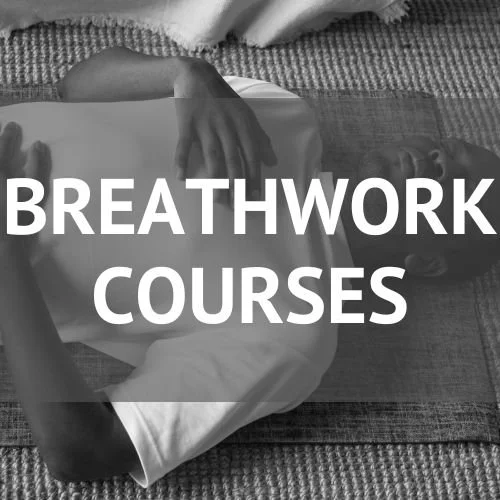
We have a collection of low cost breathwork courses including Rewire, our 12 week transformational breathwork course that all Breathwork Facilitator Students go on. If you take the course and then later want to do the Facilitator Training, the price will be discounted from your Breathwork Facilitator training program costs.
Check out our courses here