
Quick Relaxation Techniques
What's Covered
What Are Quick Relaxation Techniques?
The Science of Stress Relief: Why Instant Relaxation Techniques Work
What Are the 5 Easiest Techniques to Relax Quickly?
Quick Stress Relief Techniques for Busy Adults
Troubleshooting: When Calming Exercises Make You Feel More Anxious
Building Your Toolkit: Finding the Right Relaxation Strategies
When life starts moving at 100mph and the pressure mounts, feeling overwhelmed is a completely normal response. In those moments you need something that actually works right in the middle of a chaotic day.
These quick relaxation techniques are short, accessible tools you can take anywhere. We’ve rounded up five practices that take between one and five minutes. They are designed to help you gently steady your nervous system and interrupt a stress cycle without needing a meditation cushion, an hour of silence, or any special gear.
A Note on Mental Health and Somatic Support
While these exercises are powerful for managing the day-to-day grind, they aren't a substitute for clinical mental health support or medical care.
We’ve all been told to "just relax" or "calm down" when we’re spiraling, but let’s be honest, trying to think your way out of stress almost never works. That’s because your brain is busy trying to protect you. Somatic (body-based) techniques do the opposite. They work from the bottom up. By shifting how you breathe or how you’re holding tension, you send a direct, biological "we’re okay" signal straight to your brain.
The Goal is Resourcing
If you’ve ever tried to take a "deep breath" during a panic moment and felt frustrated when it didn’t instantly fix everything, you are definitely not alone.
It’s time to rethink what "relaxation" looks like. If your nervous system is on high alert, the goal isn't to force yourself into a state of perfect zen. In fact, trying to act "calm" when your body is in survival mode can sometimes feel even more stressful.
Instead, we’re looking for resourcing. It’s just about turning down the volume of the stress response, taking the edge off the intensity, and finding a steady foothold in the here and now.
The Science of Stress Relief: Why Instant Relaxation Techniques Work
To understand why these quick shifts actually work, it helps to look at how we’re wired. When life gets intense, whether it’s a genuine emergency or just a stressful email from your boss, your sympathetic nervous system kicks in. Think of this as your internal "gas pedal," flooding you with adrenaline to help you power through.
The counterpart to this is your parasympathetic nervous system, or your internal "brake pedal." The fastest way to tap that brake is through the vagus nerve. This is an information highway that runs from your brainstem all the way down into your belly.
When you take a slow breath, especially when you let the exhale be long, you are physically signaling that nerve. It’s like sending an instant text message to your brain saying, "The coast is clear; you can rest now."
Real Benefits (That You Can Actually Feel)
We often hear about the long-term dangers of stress, but the "right now" benefits of a micro-pause are just as cool. When you engage that vagus nerve, your body shifts gears within seconds:
Heart rate: Starts to steady and slow down.
Muscles: That protective "armour" in your shoulders and jaw begins to soften.
Brain power: Because you aren't stuck in survival mode, blood flow returns to your "thinking brain" (the prefrontal cortex), making it much easier to actually focus and make decisions.
Why You Can’t "Logic" Your Way Out of Stress
When we’re spiraling, our first instinct is usually to try and think our way out of it. We look for "brain exercises" to rationalize the worry away.
But here’s the thing: you cannot logic your way out of a stressed-out body. When you’re overwhelmed, the thinking part of your brain essentially goes offline. This is why body-based (somatic) tools are so vital. By shifting your physiology first, using your breath or simple movement to create a baseline of safety, you finally give your mind the space it needs to settle down.
What Are the 5 Easiest Techniques to Relax Quickly?
When you’re squeezed for time, you don't need a "perfect" hour of silence, you just need something that works right now, exactly where you are.
These five tools are some of the most effective ways to find your footing and take the pressure off.
Belly Breathing for Instant Stress Relief
How it works: When we are panicked or overwhelmed, our breathing often becomes fast and trapped in the upper chest. By consciously moving the breath down into the diaphragm, we send an immediate somatic signal to the nervous system that it is safe to settle.
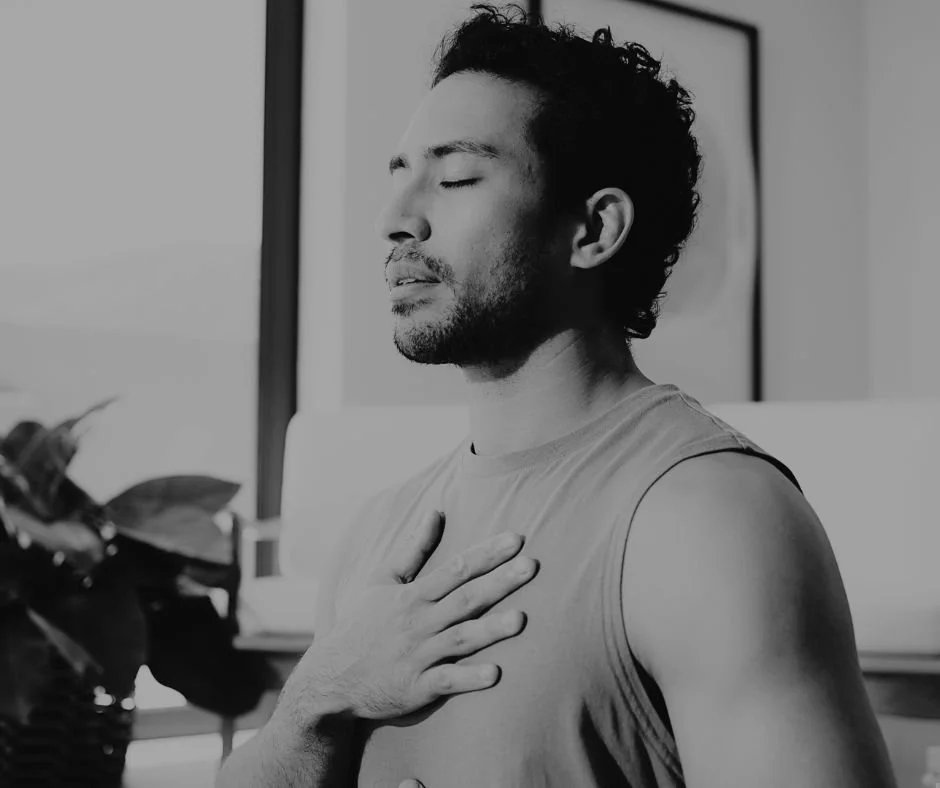
The practice: Place one hand gently on your stomach. As you take a deep breath in, allow your belly to soften and expand outwards into your hand. This simple one to two-minute diaphragmatic breathing practice is one of the most reliable stress management tools you can use anywhere.
The Extended Exhale: How to Instantly Relax
Why it works: People often ask how to instantly relax when they feel a wave of panic. Physiologically, making your out-breath longer than your in-breath is the fastest way to engage the parasympathetic nervous system (your internal "brake pedal").
The practice: Breathe in gently through your nose for a count of 4, and sigh or blow the air out softly through your mouth for a count of 6 or 8. Try our extended exhale breathing tutorial to help you find a rhythm that feels supportive and sustainable for your body.
Progressive Muscle Relaxation
What it is: Progressive muscle relaxation is a highly researched mental health and somatic tool. It involves briefly tensing and then consciously softening specific muscle groups to release trapped survival energy.
The practice: You do not need a full hour for this. Try a rapid two-minute version: squeeze your hands into tight fists, draw your shoulders up to your ears, hold that tension for a second, and then drop everything on a heavy, audible exhale. Recognising and releasing this physical bracing is a powerful way to relieve stress quickly.
5-4-3-2-1 Sensory Grounding
The alternative to breathing: If you are wondering about the best methods for instant relaxation other than deep breathing, sensory grounding is the answer. As a trauma-informed practice, we recognise that sometimes focusing directly on the breath can actually make us feel more anxious.
The practice: Use your external environment to anchor your mind. Name 5 things you can see, 4 things you can physically touch, 3 things you can hear, 2 things you can smell, and 1 thing you can taste. This is a foundational grounding and resourcing technique that pulls a racing mind straight back into the safety of the present physical space.
Short Meditation Exercises and Mantras
The practice: If you struggle to quiet your racing thoughts, pairing a simple, deep breath with a grounding phrase can dramatically improve your focus. As you inhale, mentally say, "I am here." As you exhale, say, "I am safe," or "I have capacity."
Why it works: These short meditation exercises give the cognitive part of your brain a specific job to do, preventing it from spinning into anxious loops while your body absorbs the benefits of the physical practice. Building your breath awareness in this way beautifully bridges the gap between the mind and the body.
Quick Stress Relief Techniques for Busy Adults
It is a common misconception that you need a perfectly quiet room or an empty schedule to practice stress management. The reality is that we often need quick stress relief techniques for busy adults right in the middle of the chaos. Here is how to adapt these somatic tools for the moments you need them most.
At Your Desk and Under Pressure
If you are wondering, what are some quick methods of stress relief that can be done sitting at a desk?, the answer lies in discreet breathing techniques. When we are staring at screens and managing back-to-back meetings, our cognitive load becomes incredibly high. This often leads to shallow, invisible upper-chest breathing that silently fuels the stress response.
The practice: You do not need to close your eyes or step away. Simply place both feet flat on the floor to ground your body, look softly away from your screen, and take three intentional, deep breaths, focusing entirely on making the exhale longer than the inhale. This micro-break helps relieve stress and signals your nervous system to reset without drawing any attention to yourself.
For Moments of High Anxiety
People often ask, what relaxation techniques can instantly calm down someone going through anxiety? When panic rises, the sympathetic nervous system is highly activated, and the body is preparing for a threat.
The practice: In these moments, trying to force your mind to go blank will likely backfire. Instead, lean heavily into physical grounding. Press your hands firmly together, or use the 4-7-8 breathing pattern to introduce a strong, predictable rhythm. By giving your mind a counting task and your body a structured breath, you create a safe container to help lower the intensity of the anxiety. You can explore more of these specific approaches in our targeted breathwork resources.
Before Sleep: Transitioning to Rest
After a long, demanding day, falling asleep can feel impossible if your nervous system is still stuck in "go" mode. What are some effective relaxation techniques for quickly reducing stress before going to sleep?
The practice: This is the perfect time for a lying-down body scan or a progressive muscle relaxation sequence. As you lie in bed, mentally travel from your toes up to your head, consciously inviting each muscle group to soften into the mattress. These easy relaxation exercises bridge the gap between daytime activation and restful sleep, telling your brain that the day's work is truly done.
Troubleshooting: When Calming Exercises Make You Feel More Anxious
It is rarely talked about in mainstream mental health spaces, but for many people, especially those with a history of trauma, trying to relax can actually trigger more anxiety. If focusing on your breath makes your heart race, or if closing your eyes makes you feel panicked, you are not doing it wrong. Your body is simply doing its job to protect you.
Honouring Your Survival Responses
When you have lived in survival mode for a long time, high alertness feels normal and safe to your nervous system. Dropping your guard to relax can paradoxically feel incredibly threatening. This is known as relaxation-induced anxiety, and it is a very common trauma response.
If a relaxation technique suddenly brings up a wave of panic, it is important to honour that response. Do not force yourself to push through it. Pushing through only reinforces the nervous system's belief that it is under threat, defeating the purpose of the exercise.
Pacing, Agency, and Alternative Tools
Is breathwork safe? Yes, but only when you have total agency over the pace. You are always in the driver's seat. If a breathing practice feels like too much, you can and should stop. Open your eyes, look around the room, and shift your focus outward.
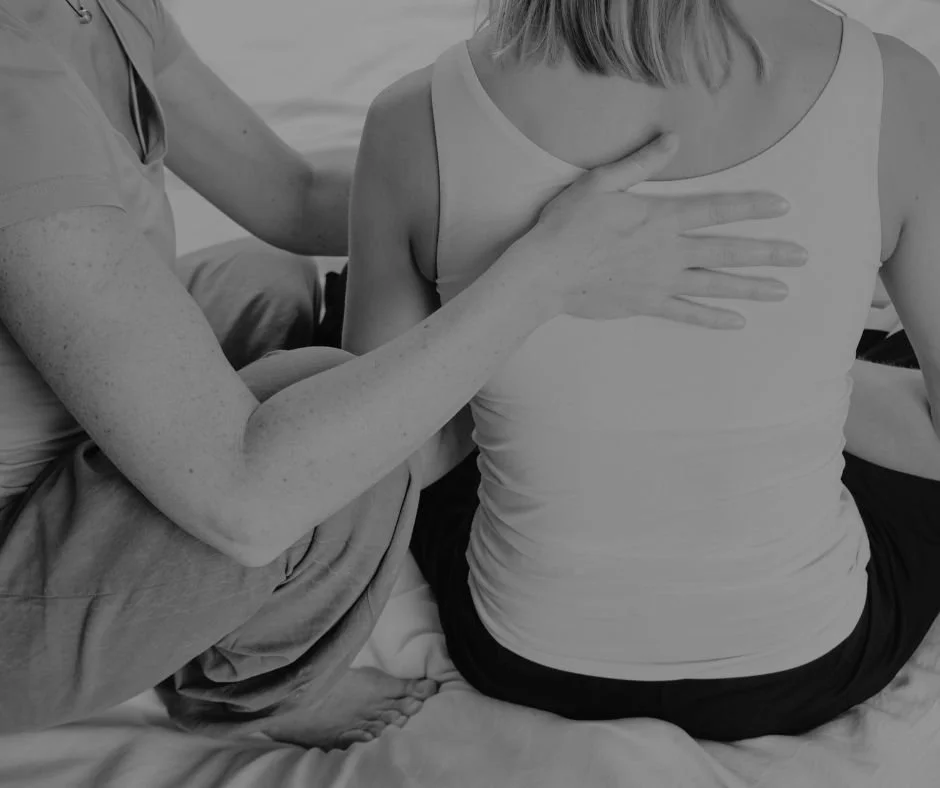
Instead of trying to force stillness, you might need to use a more active relaxation strategy to move the energy out of your body first. Try shaking out your hands, going for a brisk walk, or using somatic touch (like firmly squeezing your own arms or pressing your feet into the floor). Grounding does not always mean sitting quietly; sometimes it means giving your body permission to move until it finally feels safe enough to rest.
Building Your Toolkit: Finding the Right Relaxation Strategies
We are all unique, which means there is no single "correct" way to relieve stress. The best techniques to relax are simply the ones that actually feel supportive to your specific nervous system. You do not need to master every single exercise on this list. In fact, we recommend picking just one or two that resonate with your body and sticking with them.
If you are unsure where to begin, our guide to beginner breathwork is a gentle place to start mapping out which tools feel safest for you.
When to Practise: Preventative vs. Reactive
One of the most important aspects of stress management is understanding when to use these tools. It is incredibly difficult to learn a new relaxation technique when you are already in the middle of a crisis.
Instead, try to practise your chosen calming exercises when you feel relatively okay—perhaps for one minute while the kettle boils in the morning, or just before you open your laptop. By using these short meditation or breathing tools preventatively, you build somatic muscle memory. When a highly stressful moment does inevitably arise, your body will already know exactly how to find its way back to safety.
Ways to Connect With Breathing Space
At Breathing Space, we believe that you shouldn't have to navigate your nervous system alone. If you are looking for grounded, trauma-informed support, here is how you can step into our community:
Start Gently at Home: If you want to explore quick relaxation techniques at home, our Free Breathwork Starter Kit provides easy-to-follow, guided videos to help you safely build your foundation.
Breathe With Us Live: You are warmly invited to join our inclusive free weekly breathwork sessions on Zoom. Held multiple times a week across different time zones, these spaces are designed for all levels to practise together.
Train to Support Others: If you are a professional wanting to integrate these vital stress management and somatic tools into your existing work, explore our 50-Hour Breathwork Coach Programme. For those looking to hold space for deeper journeys, our comprehensive 400-Hour Facilitator Training provides rigorous, ethical education.
If you have any questions or simply want to know which path is right for you, please contact us. We are here to help you find the breathing space you need.