
Breath Awareness:
The Foundation of All Breathwork
“ You cannot change what you do not notice. When you start from awareness instead of effort, breathwork becomes a conversation with the body instead of a task to complete.”
It is incredibly easy to go through an entire day without noticing your breath once. You breathe roughly 20,000 times a day, yet the vast majority of those breaths happen completely on autopilot.
You might be unknowingly holding your breath during a difficult conversation, breathing shallowly while scrolling through your phone, or barely breathing at all while rushing between daily tasks. Most of the time, we don’t even realize we are doing it.
But something powerful happens when you pause and simply pay attention.
That moment of awareness, however brief, brings you right back to yourself. It is simple, accessible, and available in every single moment. Before you try to change, fix, or control your breathing, you first have to understand what it is currently doing.
That is why breath awareness is the absolute foundation of all breathwork.
What is Breath Awareness?
When people hear the term breath awareness, they often assume they need to sit in a perfect lotus position and breathe in a highly specific, complex way.
In reality, the practice is much simpler, and much more gentle. Awareness of breathing is simply the practice of observing your breath exactly as it is, without trying to change it. Breathwork is the practice of manipulating the breath to achieve an outcome.
To understand this, it helps to look at the difference between observation and manipulation:
Breathwork (Control): Actively changing the depth, rhythm, or speed of your breath to achieve a specific physiological result (like the 4-7-8 method to fall asleep).
Breath Awareness (Observation): Passively noticing the breath. You are not trying to force a deep belly breath or fix a shallow chest breath. You are simply becoming a curious observer of your own body.
The Power of the Present Moment
Why does this matter? Because your breath only ever happens right now. You cannot breathe in the past, and you cannot breathe in the future.
When your mind is spiraling with anxiety about tomorrow or ruminating over yesterday, simply noticing the physical sensation of air moving in and out of your nose acts as an immediate anchor. It pulls your nervous system out of your racing thoughts and drops it directly into the present moment. From this place of grounded presence, true emotional clarity and nervous system regulation can begin.
Why We Need Breath Awareness: The Autopilot Problem
At first glance, simply noticing your breath might seem too basic to be meaningful. Breathing happens automatically, so why do we need to pay attention to it?
Just because something is automatic doesn’t mean it is optimal! Because the breath directly mirrors our emotional and physiological state, our unconscious breathing habits quietly shape how we feel, how we react, and how stressed we are, without us even realizing it.
When life gets busy or overwhelming, the breath often disappears into the background. We fall into shallow chest breathing when we feel rushed. We might find ourselves unknowingly holding breath while reading a stressful email or scrolling through social media (a phenomenon often called "screen apnea").
While this kind of breathing isn't inherently "wrong," it reflects a nervous system that is stuck in a state of vigilance. It tells the brain that we are under threat.
When you pause to check in, you unlock profound conscious breathing benefits. Giving your body this moment of awareness interrupts the automatic stress loop. Clinical research shows that this simple act can significantly reduce stress, lower cortisol levels, and provide immediate stress relief. Over the long term, taking moments to consciously regulate your breathing patterns even supports overall heart health by keeping your blood pressure stable and stimulating the calming vagus nerve
How to Practice Breath Awareness (Step-by-Step Guide)
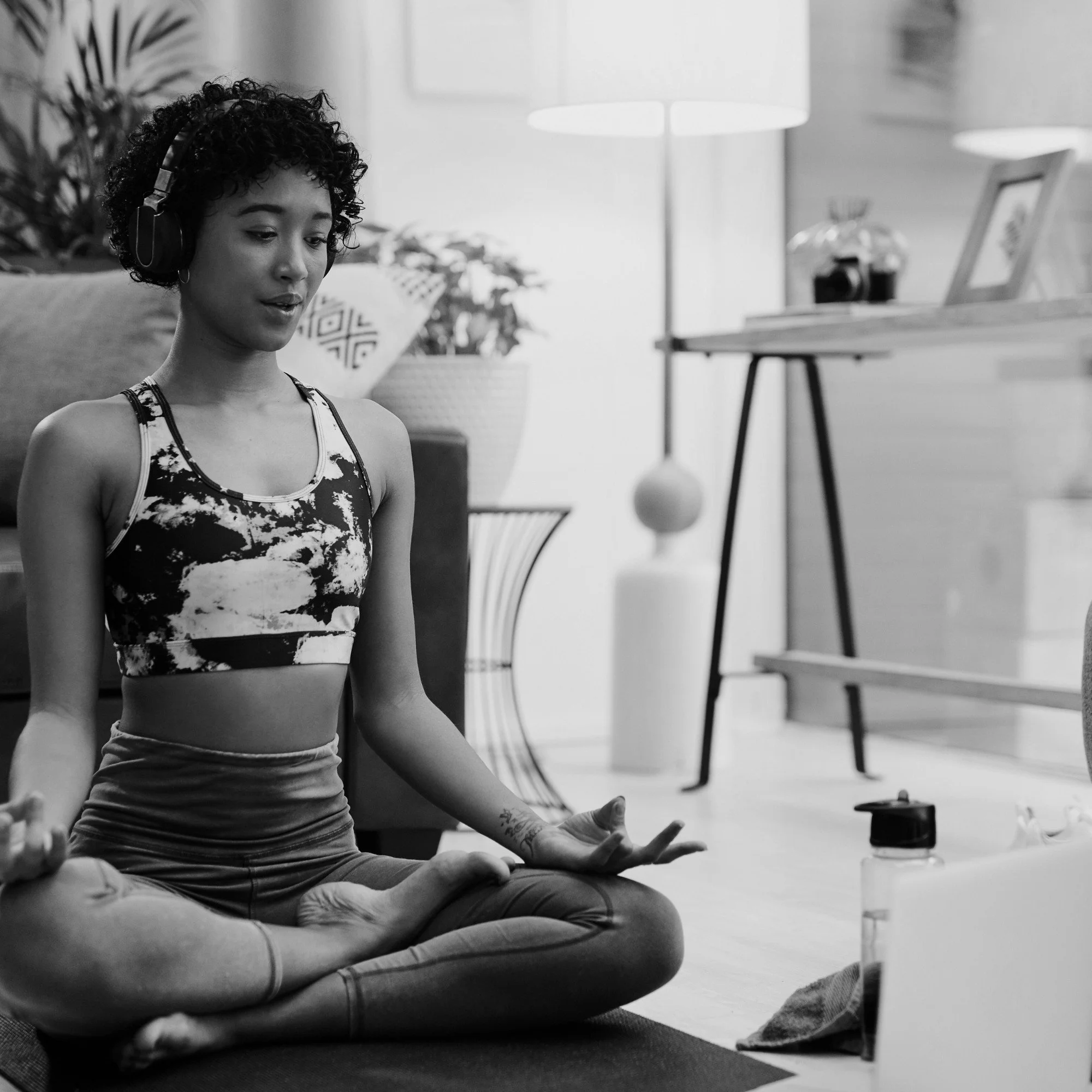
Breath awareness does not need to be complicated. If you are wondering how to do breath awareness meditation, here is a simple, beginner-friendly breath awareness practice you can try right now:
1. Find a Comfortable Position
Start somewhere that feels relatively calm. You can sit in a chair with your feet flat on the ground, or lie down on the floor or your bed. Choose a comfortable position where your body feels supported and you don't have to use effort to hold yourself up. Close your eyes if it feels safe, or simply soften your gaze toward the floor.
2. Notice Your Natural Breath
Bring your attention to your breath without trying to alter its rhythm. Ask yourself with gentle curiosity:
Is my breath fast or slow?
Is it shallow or deep?
Is the inhale longer than the exhale?
Where do I feel it most? In my chest, my belly, or the tip of my nose?
Remember, this is not about judgment or changing anything. Just awareness
3. Follow the Flow
Once you are tuned in, begin to follow the physical path of the air. Notice the slightly cool air as it enters your nostrils. Feel the gentle lift in your chest or belly. Notice the tiny, natural pause at the top of the inhale, and the warm release of the exhale.
4. Use an Anchor for Your Attention
It is completely normal for your mind to wander. When it does, gently guide it back using a mental anchor. You can silently repeat the words "inhale" and "exhale" in your mind, or simply count each breath cycle from one to ten. You are not failing when you get distracted; the entire practice is the act of noticing you are distracted and returning to the breath.
5. Start Small and Build
You do not need to do this for twenty minutes. Start with just one minute. Over time, you can gradually increase the length of your practice as your nervous system gets more comfortable with stillness.
Troubleshooting: When Breath Awareness Feels Uncomfortable
For some people, tuning into the breath brings instant relief. But for others, it can actually trigger a wave of anxiety.
If you have ever suddenly felt like you were forgetting to breathe while awake, you have experienced a very common phenomenon known as manual breathing.
When we are stressed or hyper-fixated, our brains can suddenly tune into autonomic bodily functions (like blinking or breathing). You become acutely conscious about breathing and might suddenly feel like if you do not actively force the next inhale, your body will simply stop. This can feel scary, but it is a completely harmless nervous system response.
If observing your breath makes you feel anxious, dizzy, or trapped in manual breathing, do not force the practice and make sure you have tool kit of grounding and resourcing techniques.
Instead of focusing inward, shift your focus outward, . Open your eyes and look at three things in the room. Feel the solid weight of your feet on the floor. Listen to the sounds outside your window. By distracting your brain with physical, external sensations, you signal safety to your body, and your autonomic nervous system will quietly take over your breathing again.
Ideas for Breath Awareness in Everyday Life
You do not need a meditation cushion or thirty minutes of silence to practice this. In fact, one of the most powerful things about breath awareness is how portable it is.
You can weave micro-moments of mindfulness into your daily routine to catch stress before it snowballs. Try linking a "breath check" to something you already do every single day:
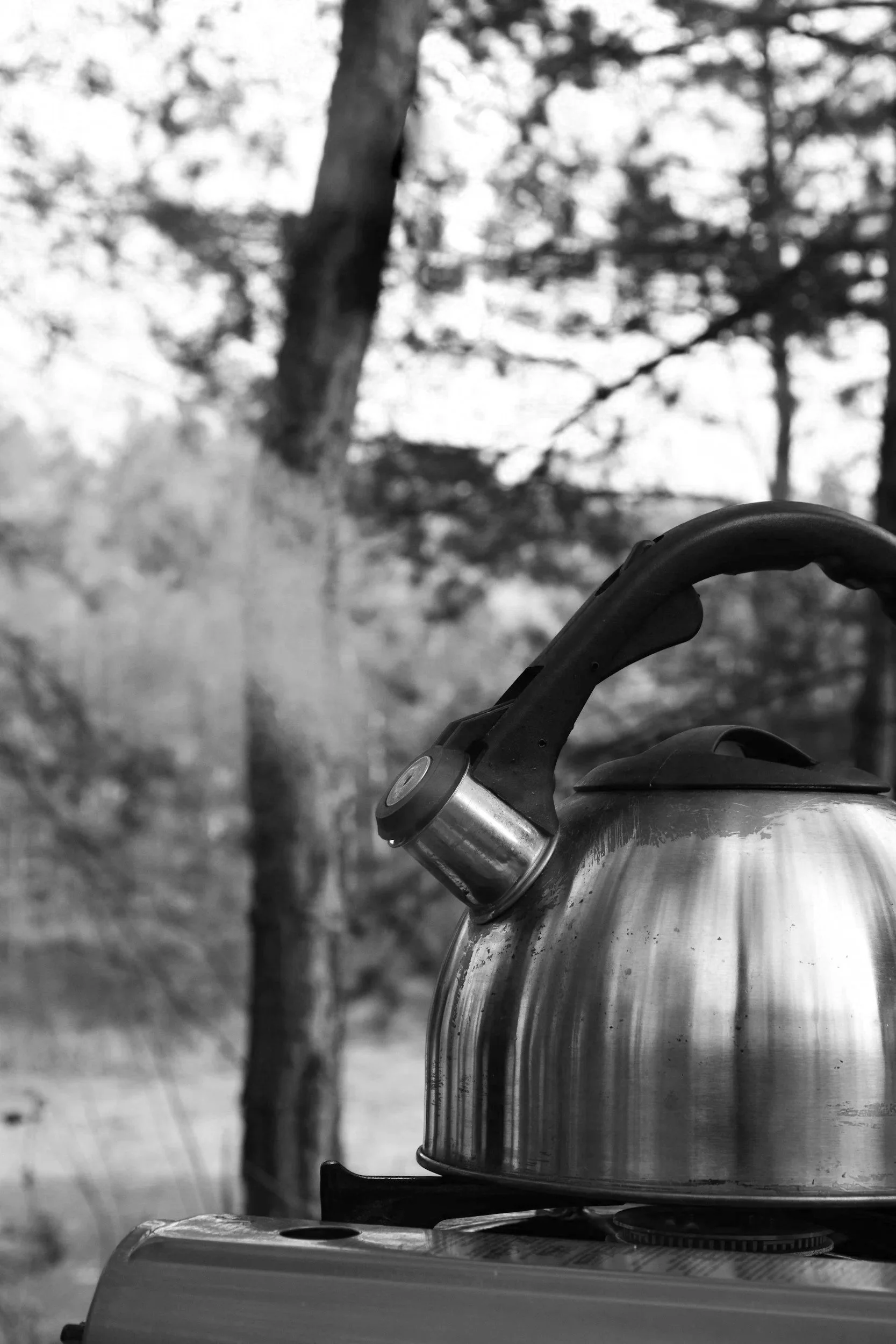
Boiling the kettle
While you wait for your morning tea or coffee, notice three natural breaths.

Waiting in traffic or queues
Instead of gripping the steering wheel or scrolling your phone, notice where your breath is sitting in your body.

Opening your laptop
Before you dive into your inbox, take one conscious inhale and exhale to arrive fully in the moment.
Ways to Experience Breath Awareness with Breathing Space
-
Free Breathwork Sessions
Experience the power of breathwork in a warm, supportive community. We offer 5 online sessions a week.
-

Breathwork Starter Kit
Our free starter kit to help you learn various techniques and discover how breathwork can address your unique needs.
-

Breathing Space All Access Breathwork Membership
A treasure trove of guided practices, videos, guided meditations, and resources to support your journey.
Frequently Asked Questions
-
Breath awareness is passive observation; you are simply noticing the breath as it naturally flows in and out without trying to change it. Breathwork is active manipulation; you are consciously changing the depth, rhythm, or speed of the breath to achieve a specific physiological result (like calming the nervous system or boosting energy).
-
Absolutely. For many people, especially those with a history of trauma, closing the eyes can feel vulnerable or unsafe. You can practice breath awareness with your eyes fully open, or by simply softening your gaze and looking at a fixed point on the floor a few feet in front of you.
-
Not at all! The mind’s job is to think, so getting distracted is completely normal. The practice of breath awareness is not about stopping your thoughts; it is about noticing when you have drifted and gently bringing your attention back to the breath. Every single time you realize you are distracted and choose to return to the breath, you are successfully doing the practice.
-
For general breath awareness and day-to-day life, nasal breathing is always best. Breathing through your nose filters and warms the air, and naturally encourages the diaphragm to engage. However, during breath awareness, you are just observing what the body is already doing. If you notice you are mouth-breathing, just gently close your lips and see how nasal breathing feels, but don't force it if you are congested.
-
You do not need to sit still for 20 minutes to see benefits. Pausing to take just three conscious breaths can immediately interrupt an acute stress response. If you want to build long-term nervous system resilience, aim for just 1 to 3 minutes of dedicated breath awareness a day. Consistency matters far more than duration.
-
You can absolutely practice while moving! In fact, taking breath awareness off the cushion and into your daily life is where the real magic happens. Weaving a "breath check" into activities like walking, doing the dishes, or driving is one of the best ways to train your nervous system to stay grounded in the midst of a busy life.
-
This is very common. If you have a highly dysregulated nervous system or a history of trauma, focusing inward on the breath can sometimes feel overwhelming. If observing your breath makes your chest feel tight or causes anxiety, stop the practice. Instead, look around the room and name three objects you can see, or focus on the physical sensation of your feet on the floor. This signals external safety to the brain.