
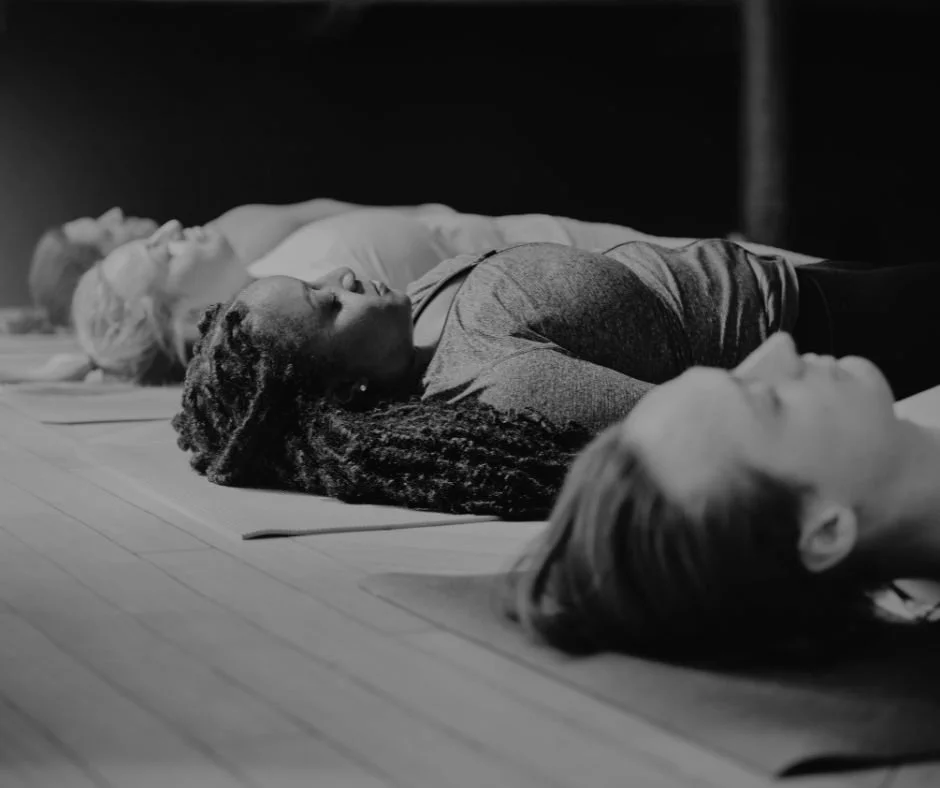
Working With Neurodivergence & Breathwork
Develop a more inclusive, flexible approach to breathwork that recognises sensory differences, different ways of processing, and the need for genuine choice.
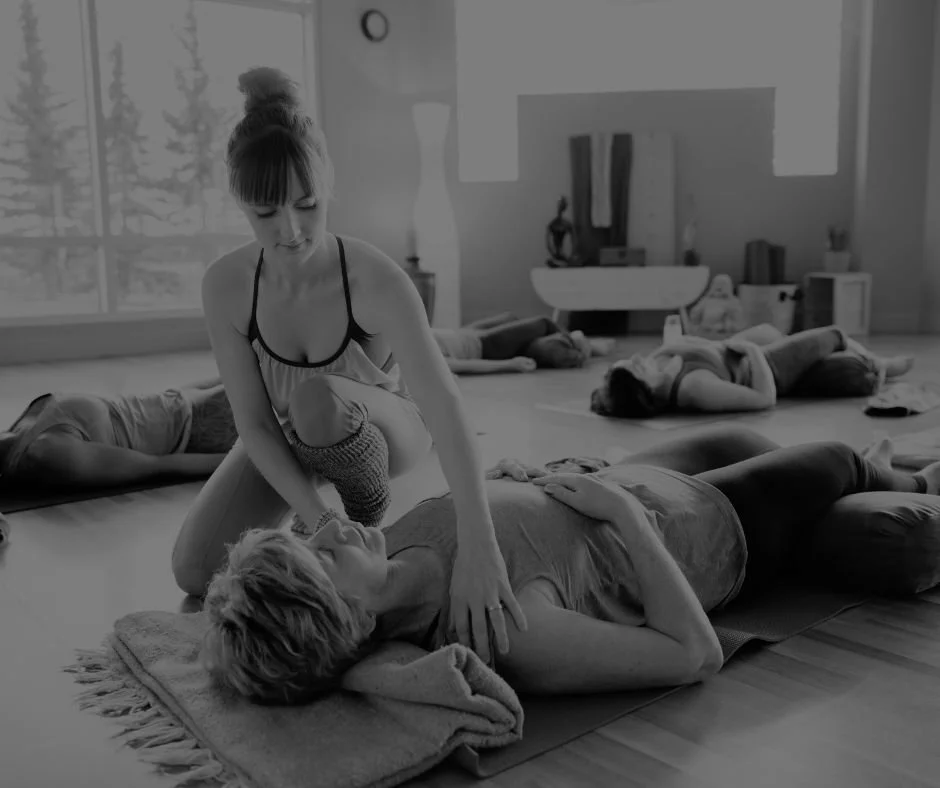
Breathwork Does Not Land the Same Way for Everyone
Practices that feel calming, grounding or expansive for one person can feel overwhelming, disorientating or inaccessible for another.
For neurodivergent people, sensory input, interoception, language, pacing, eye contact, stillness and changes in routine can all affect how a breathwork session is experienced.
This training is being developed to help practitioners understand these differences more clearly and adapt their work without making assumptions about what someone needs.
What We’ll Explore
The training will explore:
sensory processing differences and how they may affect breathwork
interoception, body awareness and internal cues
adapting language, pacing and instructions
offering meaningful choice without creating unnecessary complexity
recognising when common breathwork or meditation practices may be overwhelming
creating more accessible group and one-to-one environments
working responsively rather than assuming one approach will suit everyone
The emphasis will be on practical adaptations, curiosity and respect for individual difference.
Creating More Choice in Practice
Accessibility is rarely about finding one perfect adaptation.
It involves building enough flexibility into a session that people can respond to their own needs, preferences and capacity in the moment.
We’ll explore how small changes in language, structure and sensory load can make breathwork more accessible without singling people out or treating neurodivergence as something that needs to be managed or corrected.

Who Is This Course For?
This training is for breathwork facilitators, coaches and other wellness professionals who want to create more inclusive spaces for neurodivergent clients and participants.
It may be particularly useful if you have noticed that standard breathwork, meditation or somatic practices do not work equally well for everyone and want more practical ways to adapt your approach.