

Breathwork Knowledge Hub
In-depth articles exploring breathwork, the nervous system, breathwork techniques, and ethical practice.
Explore by Category
Start here if you’re new to breathwork or want to build a grounded understanding of the basics.
Practical breathing guides you can use for regulation, focus, rest, and everyday support.
Clear, accessible explanations of how breathwork affects the nervous system, brain, and body.
Guidance on safety, consent, pacing, and nervous system awareness in breathwork practice.
Support for those who want to train, or who already have, including pathways, ethics, scope, and integration.
Search the Breathwork Knowledge Hub
Looking for something specific?
Search by topic, technique, experience, or question, such as anxiety, the nervous system, vagus nerve, safety, or breathwork training, to explore relevant articles across the library.
Breathing Space Breathwork Articles

The Psychology of Conscious Connected Breathwork
What if your breath held the key to unlocking the deepest parts of your mind? For centuries, breathwork has been used as a tool for self-discovery, emotional release, and spiritual connection. Today, modern psychology is beginning to uncover why practices like Conscious Connected Breathwork (CCB) have such a profound impact on our mental and emotional well-being.

Connecting with Your Inner Wisdom
Ever feel like you're at a crossroads, unsure of which way to turn? Like there's a whisper of an answer inside you, but you just can't quite hear it? We all have this incredible inner wisdom, a kind of inner compass, that can guide us through life. But sometimes, it gets drowned out by the noise of everyday life.
This inner knowing, your intuition, is like a superpower! It helps you understand yourself better, make choices that feel right, and find a sense of calm amidst the chaos. It's that gut feeling that nudges you in the right direction.

The Power of Touch in Breathwork
Breathwork has this amazing power to heal and help us discover ourselves. And sometimes, a simple touch can make that experience even deeper, bringing comfort and connection. As a facilitator, I've witnessed the magic of touch, but I also know how important it is to get clear consent first. It's something I've learned the hard way.
For a long time, I was too afraid to say "no" to touch, even when it didn't feel right. It took me years to realize that my boundaries mattered. I still remember a yoga class where I was adjusted in Savasana without my permission. It left me feeling violated and I never went back.

Abreactions in Breathwork
What exactly is abreaction? Simply put, it's the release of repressed emotions. These emotions, often linked to past experiences, can be buried deep within us, impacting our well-being on both a psychological and physiological level. Abreaction is a way to bring those emotions to the surface, allowing them to be processed and ultimately, released. Breathwork is a key tool for accessing these hidden emotions. Through conscious and intentional breathing, we can influence our nervous system, shifting it out of stress responses and into a state of calm. This creates a safe space for abreaction to occur, allowing us to explore and process emotions that may have been locked away.
In this essay, we will examine the science behind abreaction, exploring how emotions are stored in the body and how the breath can trigger their release. We will discuss different types of breathwork techniques and their potential benefits, always keeping in mind a trauma-informed approach that prioritizes safety and respect for individual experiences.
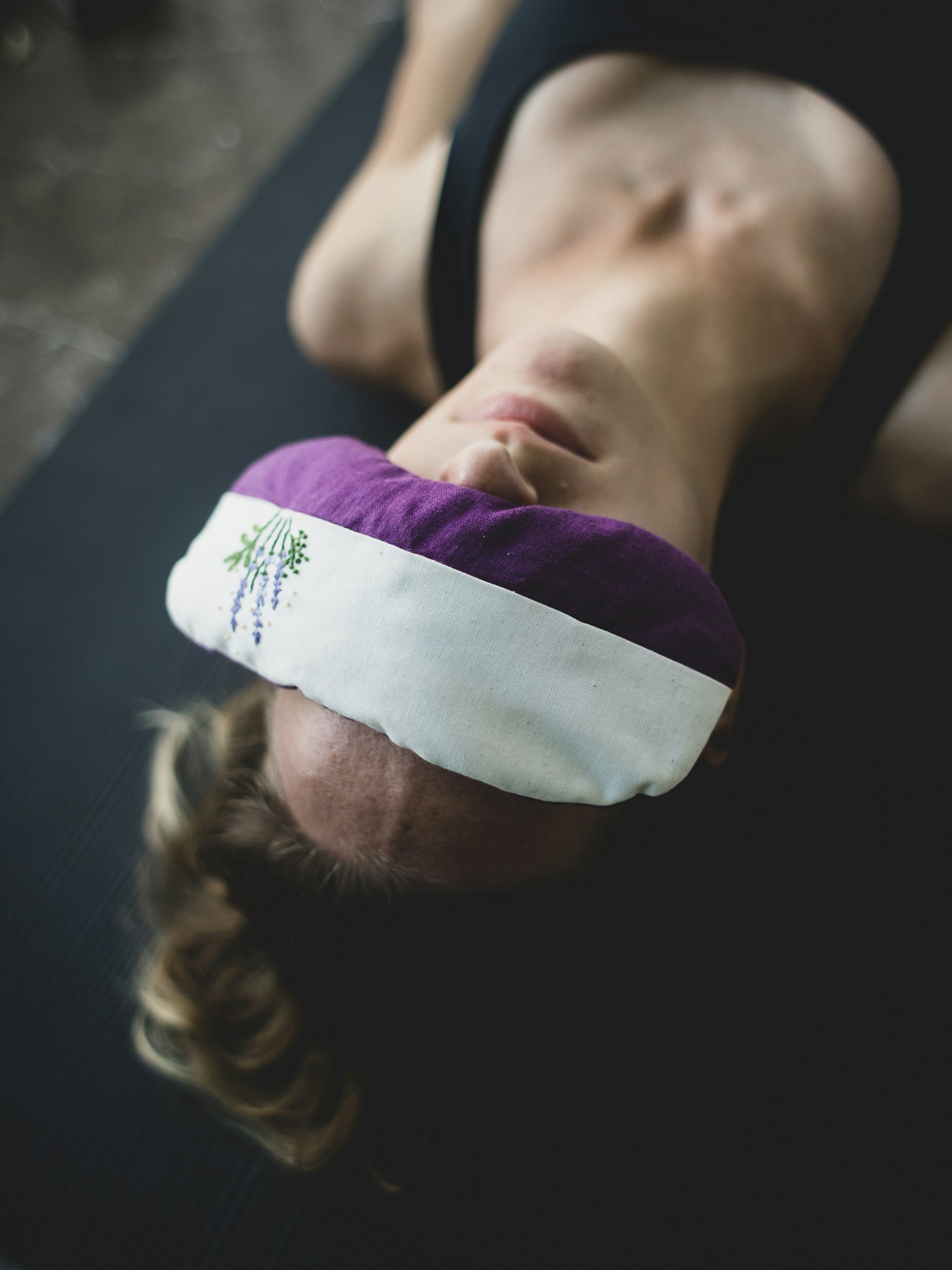
Thriving as a Neurodivergent Breathwork Facilitator
Society often views neurodivergence through a deficit lens. Yet, in the world of breathwork and wellness, those perceived differences can become profound strengths. This article challenges assumptions, highlighting the advantages of the ND mind, strategies for managing challenges, and the importance of showing up as your authentic self for both personal well-being and the benefit of those you serve.